Unlock Value: The True Cost of Laser Welding Machines
Laser welding technology is revolutionizing manufacturing across industries, from automotive and aerospace to consumer electronics and medical device production. Its application prospects are vast, driven by the demand for high-precision, high-strength, and minimally invasive joins. As products become smaller and materials more advanced—think lightweight aluminum alloys in electric vehicles or biocompatible titanium in implants—laser welding offers a clean, controllable solution that traditional methods cannot match. This expanding utility makes the machine not merely a tool, but a strategic investment for any forward-thinking production line.
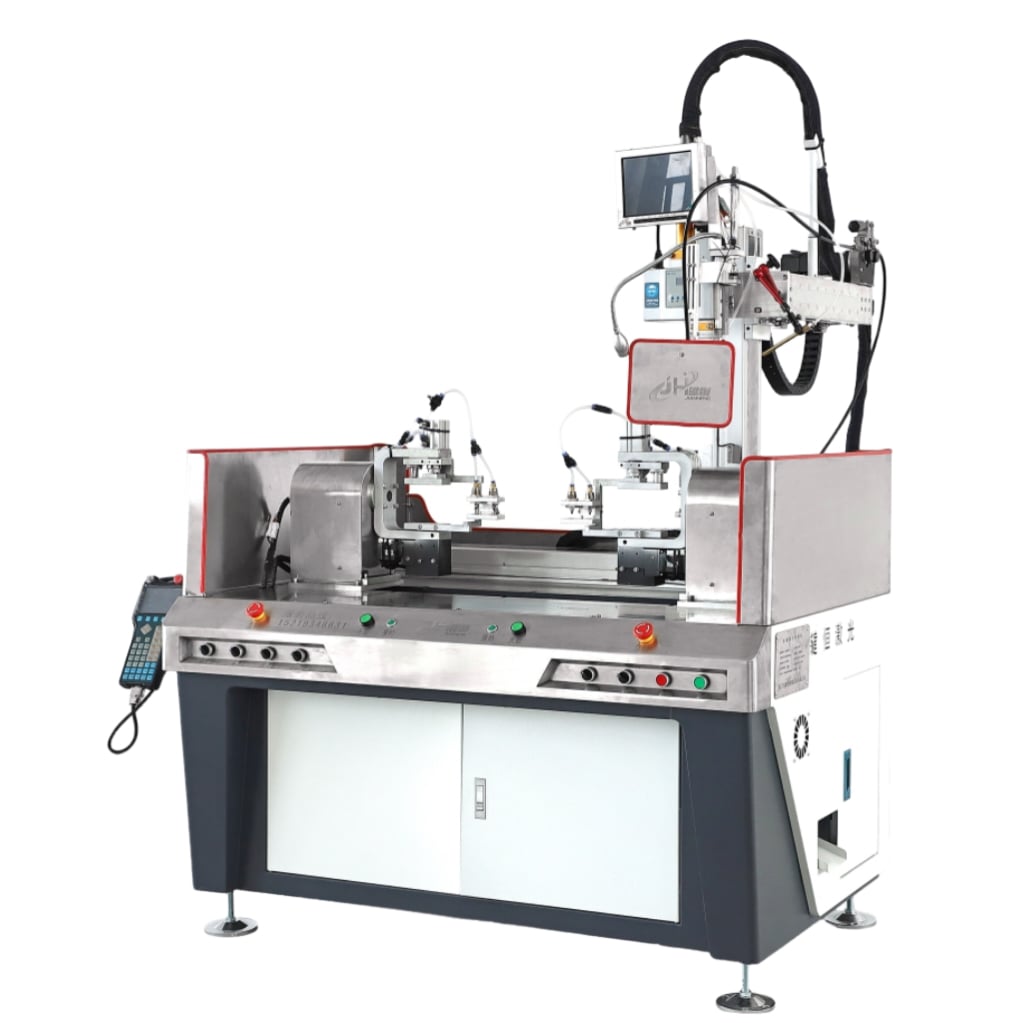
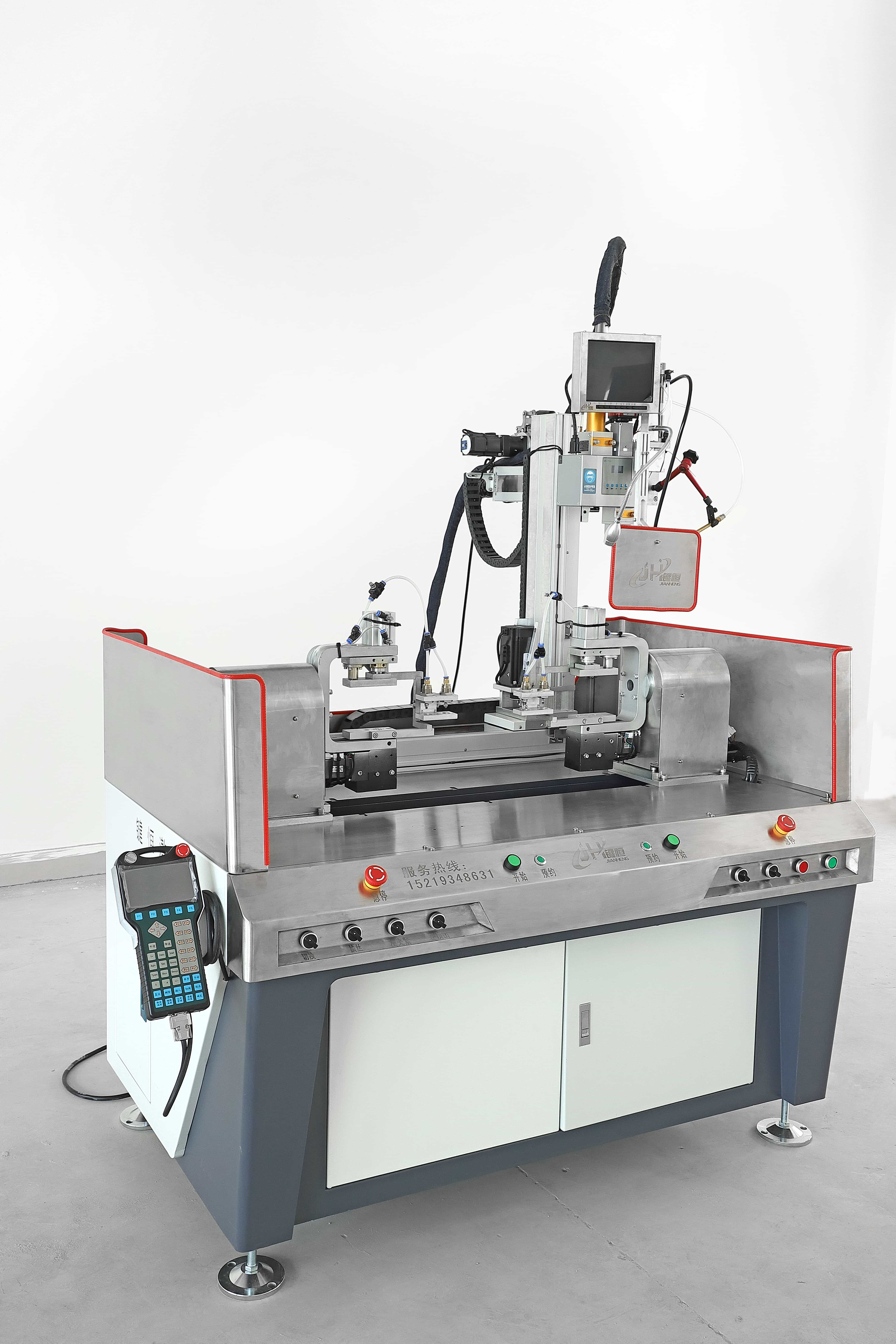
The initial purchase price is just one component of the total cost. When evaluating a laser welding machine, consider its unparalleled operational efficiency: significantly faster weld speeds, minimal post-processing needs, and drastically reduced material waste. These factors combine to lower the cost-per-part, boosting overall profitability. Furthermore, the precision of laser welding enhances product quality and consistency, leading to fewer rejects and higher customer satisfaction. This translates into a stronger competitive edge and a quicker return on investment, justifying the upfront capital expenditure.
Looking ahead, the integration of Industry 4.0 principles ensures the long-term value of this technology. Modern laser welders are equipped for automation and smart factory connectivity, allowing for real-time monitoring, predictive maintenance, and seamless data integration. This future-proofs your investment, enabling scalable production and adaptability to new materials and designs. Therefore, the true "cost" of a laser welding machine is better understood as the gateway to superior manufacturing capabilities, increased operational agility, and sustained growth in an increasingly automated industrial landscape.