
 EN
EN



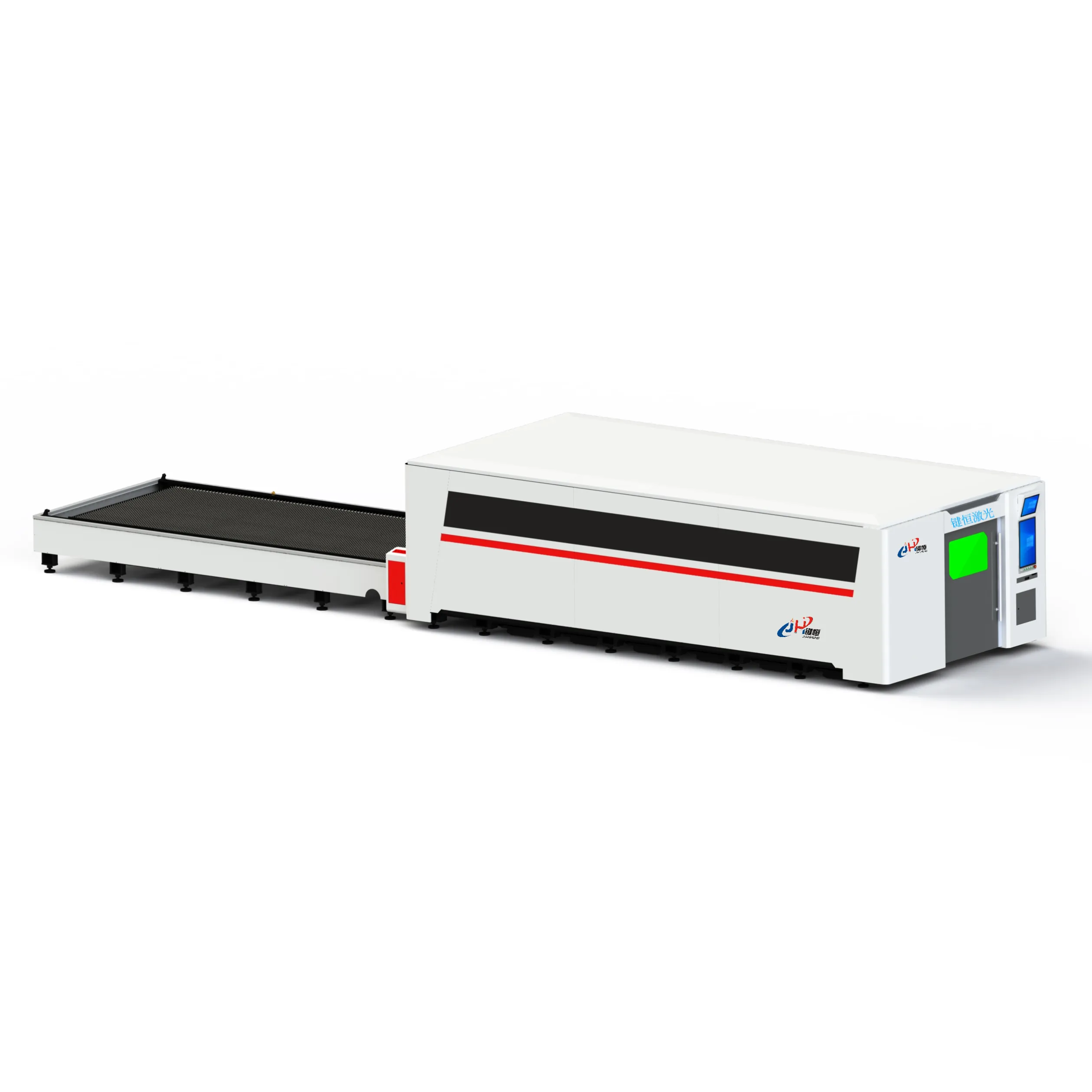
Precision Engineering: Micron-Level Accuracy Enabled by CNC Laser Cutting Machine Control
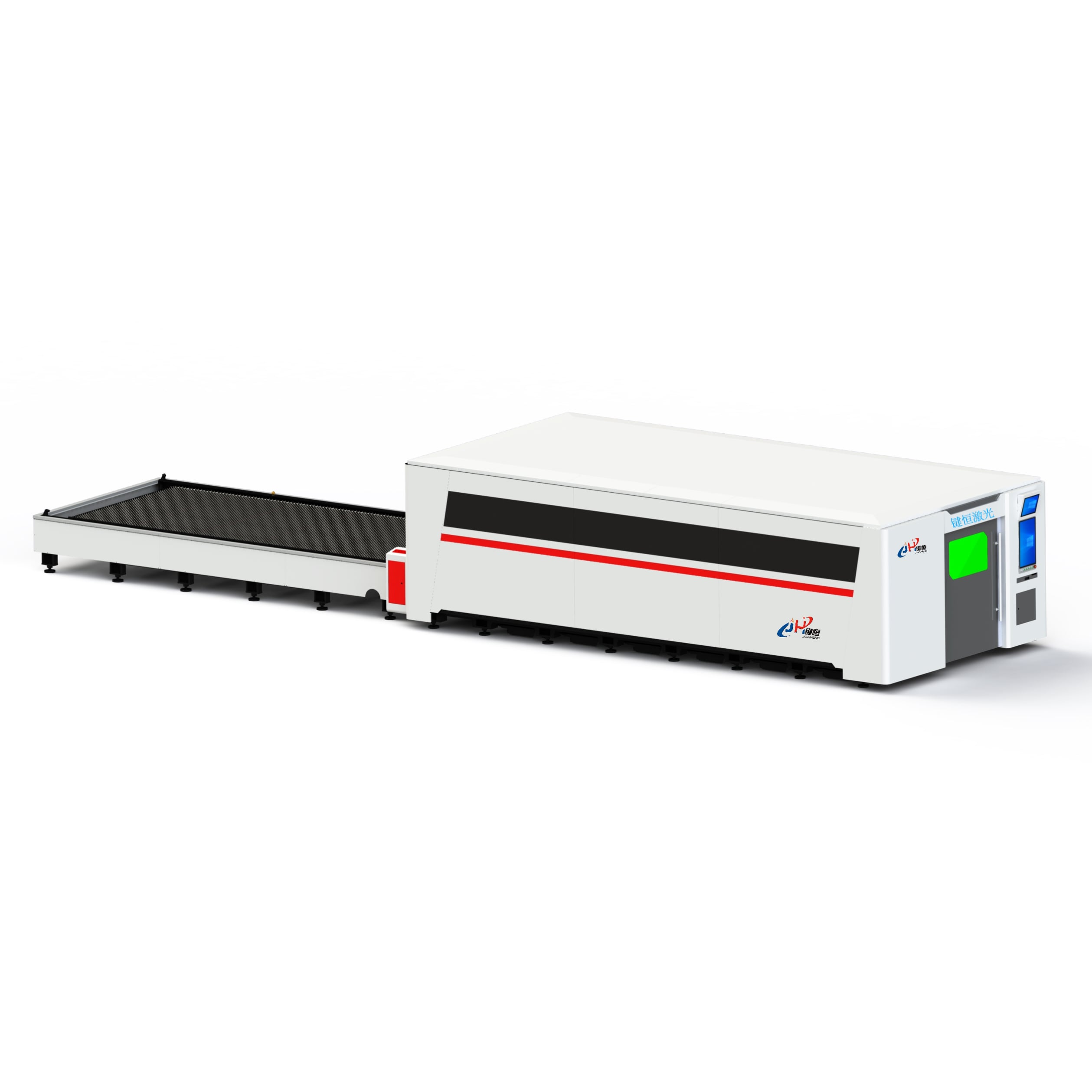
How closed-loop servo systems and CNC synchronization eliminate human variability
Today's CNC laser cutters can reach incredible levels of precision thanks to their closed loop servo systems working together with computer numerical controls. These machines have high resolution encoders that keep track of where the cutting head is at all times, making tiny adjustments on the fly to compensate for things like mechanical drift, heat expansion issues, or when the machine gets stressed from heavy loads. The computer takes digital blueprints and manages everything about the laser operation including power settings, focusing mechanisms, and movement paths down to about 0.001 millimeters accuracy. That kind of consistency beats what humans or older automated systems could ever manage. No more problems with tired operators making mistakes or measurements going off track. Special software also handles temperature changes during operation, so parts stay dimensionally accurate even after hours of running. This matters a lot in industries where parts need to fit together perfectly without any adjustment, think car manufacturing or those critical components used in medical implants.
Real-world validation: Aerospace-grade tolerances (±0.05 mm) in serial production
When it comes to precision standards, nothing beats what's required in aerospace manufacturing. A single failed component can mean catastrophe, so there's simply no room for error. CNC laser cutters are the go-to solution here, hitting around ±0.05 mm tolerance levels when producing thousands upon thousands of critical aircraft parts like turbine shrouds, those important wing spar brackets, and complex hydraulic manifold systems. Manufacturers actually test these machines extensively over large production runs, often checking hundreds of units at once with coordinate measuring machines to ensure everything stays within specs. What makes this possible? Well built machines are the foundation, but they also need special foundations that absorb vibrations and power controls that adjust automatically to prevent those pesky heat affected zones from forming. Manual plasma cutting just doesn't cut it for these applications, usually landing somewhere around ±0.5 mm accuracy instead. That's why major aerospace companies and their top suppliers stick with CNC lasers for all their mission critical work – nobody wants to gamble with safety margins when flying machines are involved.
Speed-to-Part: Production Efficiency Gains from CNC Laser Cutting Machine Automation
Fiber laser performance benchmarks: 30 m/min on thin stainless vs. plasma and mechanical alternatives
Fiber lasers can slice through 1 mm stainless steel at around 30 meters per minute which makes them about three times quicker than standard plasma cutting methods and roughly five times better than mechanical nibbling techniques. What's really impressive though is how these fast cutting speeds don't mess with the quality of the edges produced. The kerf width stays pretty much the same throughout, there's very little taper, and surface roughness typically measures below 3.2 microns Ra. This means most shops don't need to do any extra finishing work on over 60% of their large production runs. For manufacturers dealing with complicated parts that used to take several shifts to complete, fiber lasers now let them finish everything in just one shift. Lead times get slashed and machine shops become much more responsive to customer demands when they're running these advanced systems.
AI-enhanced path optimization and adaptive power control in next-gen CNC laser cutting machines
The latest CNC laser cutters now come with smart path planning powered by machine learning algorithms plus real time power adjustments. When working on materials, these advanced systems actually look at how thick different parts are, what their reflective properties are, and even check out temperature changes happening right there on the workpiece. Based on all that info, they automatically tweak things like where the laser focuses, how much gas gets blown along with it, and the actual power level being used. This means no more burning through delicate areas but still getting clean cuts through thicker spots. Industry tests ran throughout 2023 showed pretty impressive results too. Fabrication shops saw around an 18 percent boost in successful first attempts at cutting, plus energy bills dropped about 22% when compared to older fixed setting machines. And best part? Operators don't need to mess with settings manually anymore or rely on those complicated material databases.
Total Cost Optimization: Waste Reduction, Labor Efficiency, and Material Yield with CNC Laser Cutting Machines
Nesting intelligence: Boosting sheet utilization from 82% to 96%
Modern CNC laser cutting software comes packed with advanced nesting algorithms that really boost how much sheet material gets used. These smart systems look at all sorts of things in real time: shapes of parts, how wide the cut needs to be, where bridges should go between pieces, and what limitations exist for how parts can fit together. What does this mean? Material usage jumps from around 82% when using old school or manual methods up to about 94-96% in actual production settings. That cuts down on waste materials by roughly 30%. And when we're talking about expensive metals like aerospace quality aluminum 7075 or titanium Grade 5, those small improvements matter big time financially. A recent report from the Ponemon Institute (Fabrication Economics Report 2023) shows something pretty striking too. For shops handling over 50 tons monthly, every single percentage point gained through better nesting saves them approximately $740k each year just on raw materials alone. Throw in the fact that operators no longer need to spend hours laying out parts manually or programming each machine individually, but rather can watch over three machines at once, and suddenly the overall cost per individual part plummets somewhere around 40%.
Cross-Industry Versatility: How One CNC Laser Cutting Machine Serves Diverse Fabrication Needs
Material adaptability: Precision cutting of steel, aluminum, copper, titanium, composites, and coated sheets
Modern CNC laser cutters can handle all sorts of materials without needing to swap tools or mess with mechanical setups. These machines work well with carbon steel thicknesses ranging from 0.5 to 30 mm, plus non-ferrous stuff like shiny aluminum and copper that tends to reflect lasers so much. They also tackle corrosion resistant titanium alloys up to around 25 mm thick, and even tricky engineered composites such as carbon fiber reinforced plastic. The smart parameter settings take care of adjusting things like laser wavelength, pulse timing, what kind of assist gas to use (nitrogen, oxygen, regular air) and the right pressure levels depending on what material is being cut. This means cleaner edges without oxidation problems on stainless steel parts, smaller heat affected zones when working with titanium, and cuts through CFRP that don't cause layers to separate. Manufacturers see real benefits from this flexibility too. Material waste drops by roughly 15 to 20 percent, and there's no need for those expensive follow-up steps like deburring or redoing coatings on finished sheet metal products.
Sector-specific value: Automotive prototyping, medical device components, and architectural metalwork
The CNC laser cutting machine brings real value across different sectors without making any compromises. Take automotive research departments for example where engineers can create working prototypes of electric vehicle battery trays complete with cooling channels and mounting flanges within just two days flat. This speeds things up considerably when going through multiple design iterations. For medical device makers, meeting those strict ISO 13485 standards becomes much easier when producing biocompatible stainless steel tools. The machines deliver edges so smooth they're practically ready for passivation right out of the box, which matters a lot for keeping surgeries safe. Architects and building fabricators love what these lasers can do too. They cut complex facade panels and structural cladding parts with amazing precision around 0.1 mm accuracy. This means fewer welds needed onsite and saves about 35% on labor costs for alignment work. Small manufacturing shops that handle various industries find these machines particularly useful since one setup handles so many different jobs. This versatility helps cut down on expensive equipment purchases by roughly 40%, plus it allows faster completion times even when clients ask for completely different products week after week.
FAQ
What is the accuracy level of CNC laser cutting machines?
CNC laser cutting machines can achieve accuracy levels down to about 0.001 millimeters, making them extremely precise.
How do CNC laser cutters benefit the aerospace industry?
They offer unparalleled precision, hitting ±0.05 mm tolerance levels for critical components, ensuring safety and reliability in aerospace manufacturing.
Can modern fiber lasers cut faster than traditional methods?
Yes, fiber lasers can cut at speeds up to 30 meters per minute, three times faster than plasma methods and five times faster than mechanical techniques.
How do CNC laser cutters reduce waste and optimize production?
Advanced nesting algorithms improve sheet utilization from 82% to 96%, reducing material waste by about 30% and saving significant costs.
Are CNC laser cutters versatile across different industries?
Yes, they handle various materials like steel, aluminum, and composites, adding value in automotive, medical, and architectural sectors.

