
 EN
EN



Fiber Laser Cutting Machine:Unmatched Precision and Edge Quality for Thin-to-Medium Materials
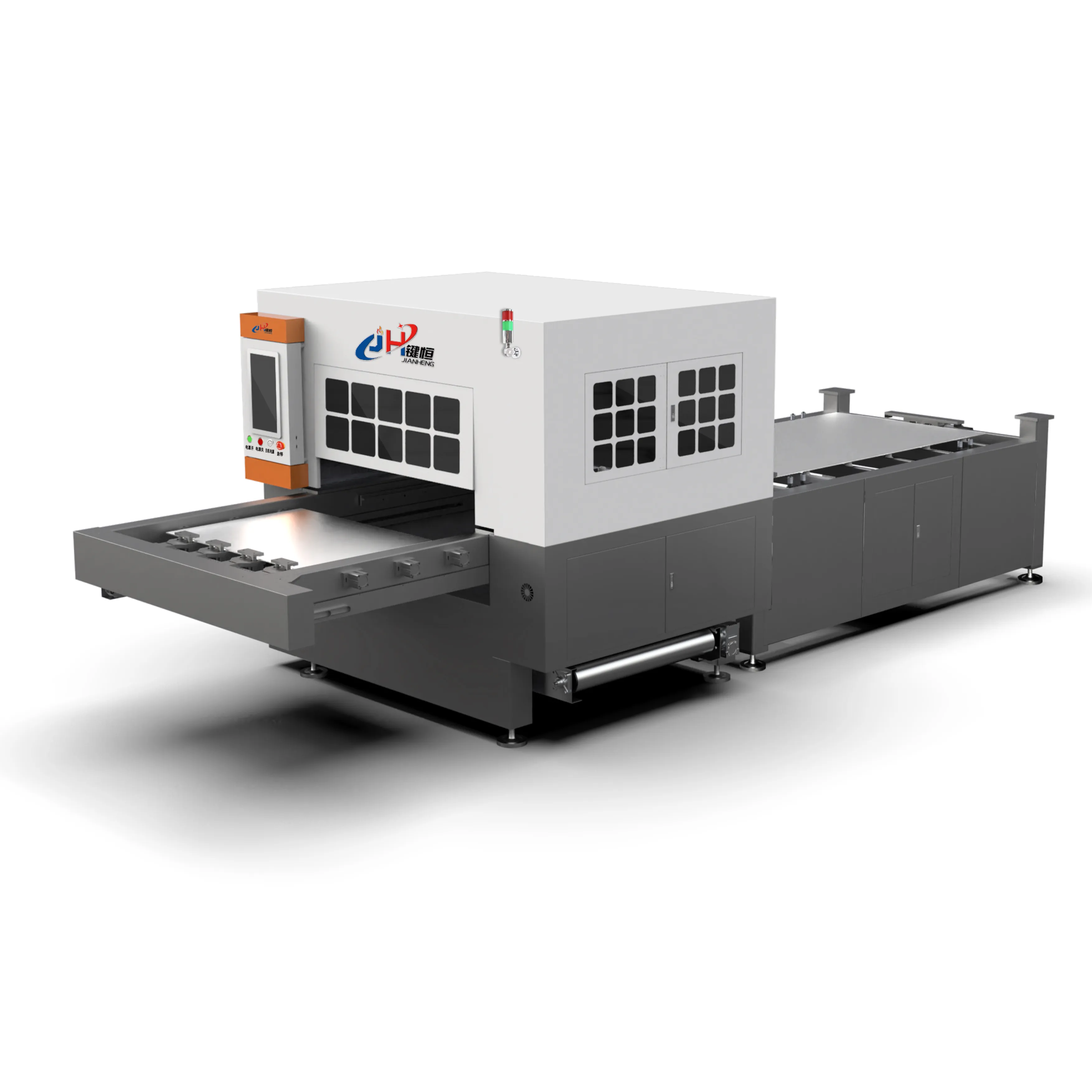
Micron-Level Tolerances and Burr-Free Edges with a Fiber Laser Cutting Machine
Fiber laser cutting machines today can hit really tight tolerances around plus or minus 0.1mm when working with materials between about half a millimeter thick all the way up to 12mm. This level of precision means parts come out ready to go without needing any extra finishing work afterward. What makes this possible is the intense laser beam that actually vaporizes the material instead of physically touching it, resulting in clean edges free from burrs. Surface finish typically stays below Ra 3.2 microns, which beats what most plasma cutters can do by a long shot. Plasma systems usually have tolerance ranges closer to plus or minus 0.5mm and require someone to manually remove those annoying little bits left behind after cutting. Plus, plasma leaves behind a much wider cut area measuring roughly 2 to 3mm across, leading to parts that just don't fit together as well and might fail sooner under stress.
Reduced Heat-Affected Zone and Minimal Thermal Distortion vs. Plasma
Fiber lasers cut down on the Heat-Affected Zone (HAZ) by roughly 90% when compared to traditional plasma torches, which matters a lot for keeping the metal properties intact in materials like stainless steel and aluminum. Plasma cutting typically throws out around 15 to 20 kW per square millimeter of heat energy, something that often leads to warping issues in sheet metal thinner than 6mm thick. Fiber lasers work with much gentler energy levels, usually between 1 and 5 kW per square millimeter instead. The end result? Thermal distortion stays below 0.1% of the actual material thickness. That makes these lasers perfect for jobs requiring tight tolerances such as manufacturing aerospace brackets or medical device parts where even the slightest dimensional changes can't be tolerated.
Lower Total Cost of Ownership: Maintenance, Consumables, and Labor Savings
75% Fewer Scheduled Downtimes and Zero Electrode/Nozzle Replacements with Fiber Laser Cutting Machine
Fiber laser systems completely do away with the consumable-based setup of plasma cutting. No need for electrodes, nozzles, or those regular replacement parts that always seem to break down. This means manufacturers save money on ongoing purchases while avoiding those frustrating 6 to 8 hours each month that techs usually spend putting torches back together and calibrating them again. Since there are no parts wearing out over time, the cuts stay consistently good throughout extended production periods, which actually lowers scrap rates significantly. The solid state construction of these lasers also stands up better against vibrations, so factories experience around 75% less unexpected downtime compared to traditional plasma systems according to the Fabrication Efficiency Review from last year. What this really translates to is maintenance becoming less about fixing things when they break and more about fine tuning operations to get maximum output.
Energy Efficiency and Reduced Post-Processing Drive Labor and Operational Cost Reductions
Fiber lasers actually use about half the power that plasma cutters do when running for extended periods, which means companies see their electric bills drop right away. The thin cutting width and little leftover slag from fiber lasers mean workers don't have to spend so much time grinding or sanding afterward. Shops report saving somewhere between 3 to maybe even 5 hours per week just on those cleanup tasks alone. And since there's less need for all that finishing work, shops also go through fewer abrasives and have more room in their workshops for other equipment. Plus, fiber lasers cut through metals thinner than 25mm around 30% quicker than plasma systems, so businesses get their return on investment sooner than expected. Looking at the big picture over five years or so, most manufacturers find that combining lower electricity costs, less labor for finishing, and no need for extra operations ends up saving them roughly 18 to 22 percent on overall costs compared to sticking with plasma cutting technology.
Sustainability and Environmental Benefits of Modern Fiber Laser Cutting Machines
Fiber laser cutting machines offer real environmental benefits compared to plasma systems while still getting the job done right. These machines typically use about half as much power as their plasma counterparts which means factories can cut down on carbon emissions pretty significantly according to some recent industry reports from 2023. When it comes to cutting accuracy, the combination of smart nesting programs and thinner cut widths actually cuts down on wasted materials somewhere between 15 to 30 percent. That helps save money and keeps resources from going to waste. Another big plus is that fiber lasers don't produce those nasty ozone gases or nitrogen compounds that plague plasma cutting shops. This makes for better air quality inside manufacturing facilities and makes meeting those EPA and OSHA requirements a whole lot easier. Plus there's no need for coolants during operation so we avoid potential problems with contaminated soil and groundwater. And let's not forget about longevity either. Fiber lasers tend to last around 70% longer than plasma equipment and require far fewer replacement parts throughout their lifespan. All these factors combined mean less trash ending up in landfills over time, making fiber lasers a smarter, greener option for companies looking ahead.
FAQ
What are the main benefits of using a fiber laser cutting machine?
Fiber laser cutting machines offer unmatched precision with micron-level tolerances, reduced heat-affected zones, lower total costs of ownership, and significant sustainability and environmental benefits compared to traditional plasma systems.
How do fiber lasers achieve such high precision?
Fiber lasers use an intense beam to vaporize materials rather than touching them, resulting in burr-free and precise cuts.
Are fiber laser cutting machines more cost-effective?
Yes, they are. They have lower maintenance costs, save on consumables, offer reduced energy usage, and have less labor requirements for post-processing, which leads to overall cost reductions over time.
Do fiber laser cutting machines contribute to environmental sustainability?
Yes, fiber laser machines use less power, produce fewer emissions, eliminate the need for coolants, and reduce waste, making them more environmentally friendly than plasma systems.

