
 EN
EN



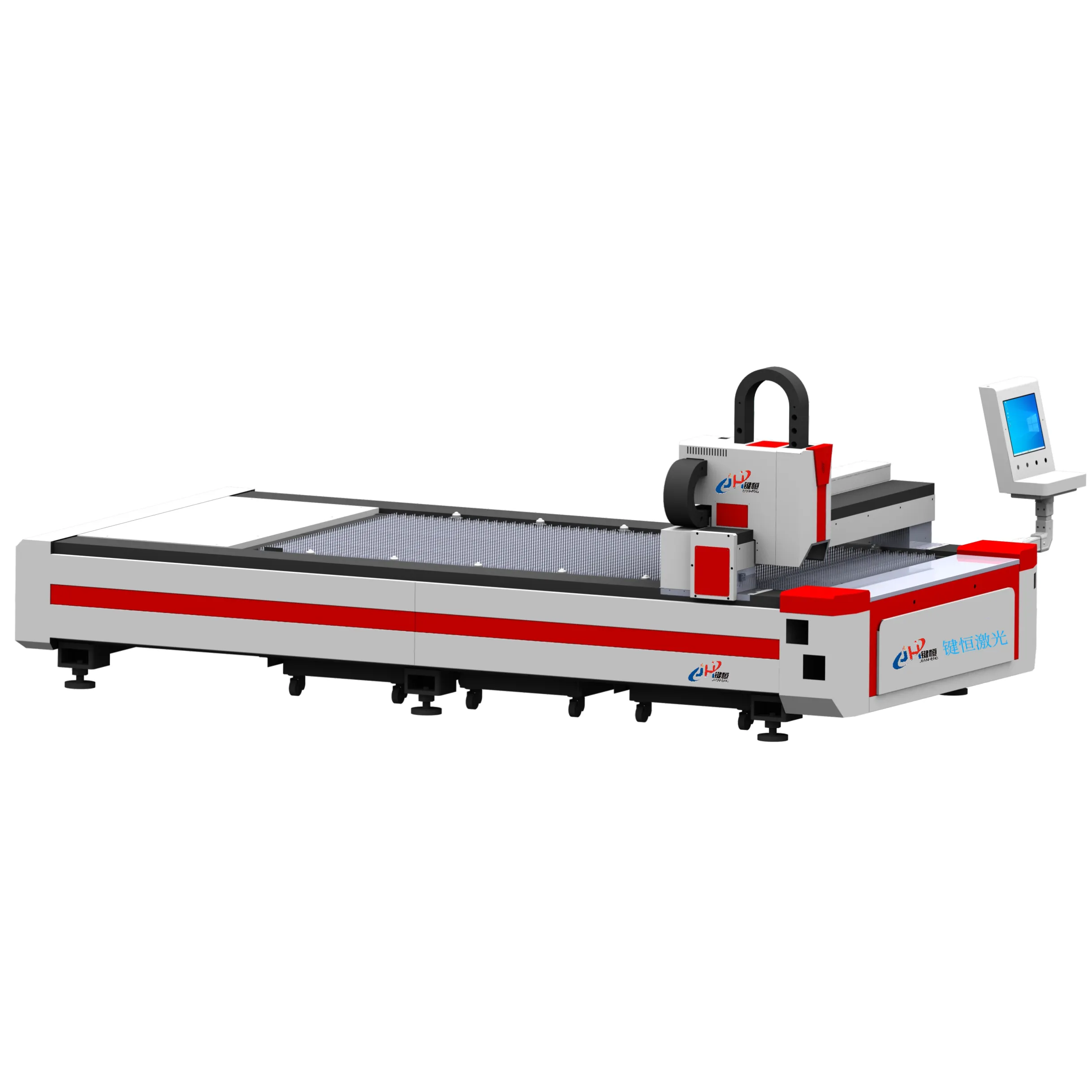
Energy Efficiency: Cut Power Consumption by 30–50% with a Fiber Laser Cutting Machine、
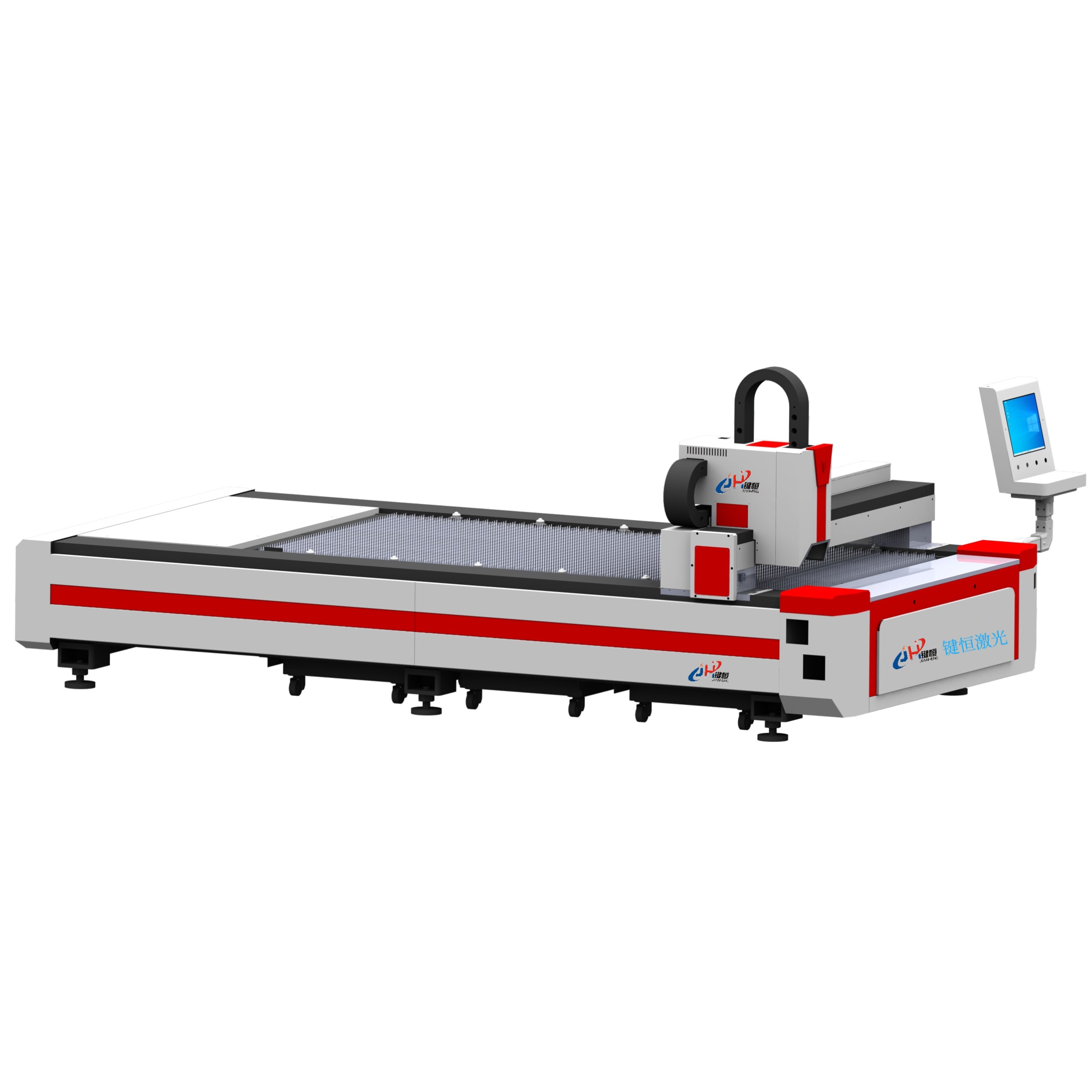
Why fiber lasers outperform CO₂ and plasma: Diode-pumped solid-state design and wall-plug efficiency up to 45%
Fiber laser cutting machines work using something called diode-pumped solid state tech that turns around 45% of electricity into actual laser power. That's three times better than what CO2 lasers manage and way ahead of plasma cutting systems. Traditional CO2 lasers actually waste a lot of energy trying to get those gas mixtures going, while plasma cutters need these intense electric arcs to function. Fiber lasers are different though because they send the energy right through those bendy optical fibers. No need for all those gas chambers, complicated mirror setups, or constantly adjusting expensive lenses. When it comes to cutting thinner to medium thick metal sheets, these machines only use between 3.2 and 4.8 kilowatt hours per piece. Compare that to the old CO2 systems which guzzle anywhere from 7 to 9 kWh for the same job. This kind of difference really changes how efficient manufacturing operations can be.
Real-world impact: $18,600/year energy savings from 42% lower kWh/unit (Angjiang Jianheng case)
The improved efficiency means real money saved on the bottom line. When Angjiang Jianheng swapped out their old CO2 systems for fiber lasers, they saw power consumption fall by almost half at 42%, which works out to around $18,600 less spent on electricity every year. Across the manufacturing sector as a whole, companies are seeing similar results with energy usage dropping between 30% and 50% when running continuously. What's more, since fiber lasers generate less heat, there's no need for as much cooling equipment either, so those savings just keep stacking up. Take a shop that handles about 15,000 parts each month for example these kinds of improvements not only boost profit margins but also help meet green targets because carbon emissions go down significantly.
Lower Maintenance & Longer Uptime: Eliminate 70% of Routine Servicing
Solid-state reliability: No laser gas, mirrors, or resonators—just plug-and-play fiber delivery
Fiber lasers take the place of CO2 systems that are notoriously fragile and sensitive when it comes to alignment issues. Instead they use a much sturdier solid state setup where the heart of the system is fiber optic beam delivery technology. What does this mean practically? No more dealing with laser gas refills, constant mirror cleaning, or having to realign everything all the time. The whole process cuts down on potential failure points by somewhere around 85 percent according to various estimates. Maintenance crews find themselves going from doing weekly checks and adjustments to basically just plugging in the machine and getting started. Industry research backs this up showing between 70 and 75 percent fewer breakdowns overall. A big name manufacturer actually saw their mirror related service calls drop by nearly 94 percent once they made the switch to fiber lasers.
Extended mean time between failures (MTBF): 3–5× longer lifespan vs. CO₂ systems
The simpler design actually means these lasers last much longer in real world conditions. Fiber lasers typically run about 30k to 50k hours between failures, which is roughly three to five times better than what we see with traditional CO2 systems that usually clock around 6k to 10k hours. Since there's no gas involved and nothing wearing down optically, most shops find they can go from checking maintenance every month to maybe once every three months or even longer. Real users report keeping their beam quality consistent for over five years without needing to replace parts. And this translates into something tangible too: factories experience about 3 times fewer unexpected shutdowns and spend nearly half as much each year on service calls compared to older technology.
Precision-Driven Waste Reduction: Maximize Material Yield and Eliminate Secondary Operations
Tighter kerf (0.1 mm) and superior nesting boost sheet utilization by 12–18%
The kerf width from fiber lasers can get down to around 0.1 mm, which is actually thinner than a single strand of human hair. This allows parts to be nested much closer together on sheets, cutting down the space between them significantly. When paired with modern nesting software, manufacturers see better sheet usage rates too. Some shops report improvements anywhere from 12% up to nearly 18% compared to older methods like CO2 or plasma cutting. Take a facility that works with about 500 tons of steel each year for instance. The savings from improved material efficiency could amount to well over $180k that would have otherwise gone into scrap piles. Plus, there's less need for hands-on tweaking during setup, so programming takes less time overall and gets products onto cutting tables faster throughout regular production runs.
High beam quality (M² < 1.1) delivers burr-free edges—cutting deburring costs by up to 90%
Fiber lasers have this amazing beam quality (M² around 1.1) that actually vaporizes metal instead of just melting it, which gives those super clean edges without any burrs in about 9 out of 10 cases. Older tech like plasma cutters and traditional CO₂ systems? They leave all sorts of rough edges that need hours of cleanup work afterward. Getting rid of that extra step saves money on both labor and equipment costs somewhere between 85% and 90%. For someone running a medium sized fabrication shop, that adds up to roughly $47k saved every year. Plus, when parts don't get handled as much, there's less chance they'll get damaged accidentally during production. And those consistently straight edges mean everything fits together properly when it comes time to assemble the final product.
Throughput Gains & Labor Optimization: Achieve Unattended, High-Speed Production
2–3× faster cutting on thin-to-mid steel (up to 30 m/min) with integrated automation
Fiber lasers can cut through thin to mid thickness steel about 2 to 3 times faster than traditional methods, sometimes hitting speeds around 30 meters per minute. When companies integrate automation features like automatic nozzle switches, motion adjustments that happen while cutting, and focus controls that adapt on the fly, they end up saving roughly half the time spent on non-cutting activities. The speed boost means factories don't have to hire more staff when orders increase, so all those extra parts getting made translate into actual production capacity growth instead of just numbers on a spreadsheet.
Seamless integration with loading/unloading systems enables 8+ hours of lights-out operation
Fiber laser cutters work really well with automated material handling systems. Pallet changers, robotic loaders and conveyor belts all sync together pretty smoothly, allowing machines to run without supervision for around eight hours or even longer sometimes. The ability to operate overnight cuts down on direct labor expenses significantly, maybe as much as two thirds in some cases, while keeping equipment running at over eighty five percent efficiency most of the time. With cloud-based remote monitoring now available, these systems can send out warning signals when maintenance might be needed soon. This means production stays online longer since technicians don't always need to show up onsite for routine checks anymore.
Quantifying the Bottom Line: ROI and Profit Margin Uplift from Your Fiber Laser Cutting Machine
Industry benchmark: 4.2–6.7 percentage point EBITDA improvement within 12 months
Businesses that adopt this approach tend to see money coming back pretty quickly. Industry data shows most companies experience around a 4 to 7 point boost in their EBITDA during the first twelve months after implementation. The savings come from several areas working together better than before: energy bills drop by about 30 to 50 percent, there's hardly any need for ongoing maintenance or replacement parts anymore, and no more spending on those extra finishing steps like deburring. A real-world example had one company cut their deburring expenses by nearly 90%. When all these factors combine, it usually takes between 18 and 24 months to get the entire investment paid back, turning what was once just a capital expense into something that keeps generating profits month after month.
Custom ROI framework: Weighted model covering energy, labor, consumables, waste, and uptime
Assigning monetary values to each lever enables precise, scenario-based ROI projections. Manufacturers using this approach typically report 4–7% EBITDA expansion—and often achieve payback periods significantly shorter than industry averages.
FAQ
Why are fiber laser cutting machines more efficient than CO₂ and plasma cutters?
Fiber laser cutting machines utilize diode-pumped solid-state technology which enhances their efficiency. Compared to CO₂ and plasma systems, they convert a higher percentage of electricity into laser power, require less energy to function, and come without the need for complex setups involving gas chambers and mirrors.
What kind of maintenance savings are seen with fiber laser cutting machines?
Fiber lasers eliminate the need for laser gas refills and constant mirror alignments, reducing maintenance needs by 70% to 75%. They have fewer breakdowns as they rely on more stable solid-state structures.
How do fiber lasers contribute to cost savings in material usage and labor?
With a smaller kerf allowing for tighter nesting, fiber lasers maximize material usage, translating into 12% to 18% more efficient sheet utilization. They also provide burr-free edges, significantly lowering the need for secondary operations like deburring, thereby cutting labor costs.
What advantages do fiber lasers offer in terms of production speed and automation?
Fiber lasers can cut steel 2 to 3 times faster than traditional methods. They integrate seamlessly with automated handling systems, enabling extended operation times—often achieving 8+ hours of unsupervised production running.
What is the typical ROI period for fiber laser cutting machines?
Most companies see a return on investment for fiber laser machines within 18 to 24 months, thanks to improved energy efficiency, reduced maintenance, and lower operational costs.

