
 EN
EN



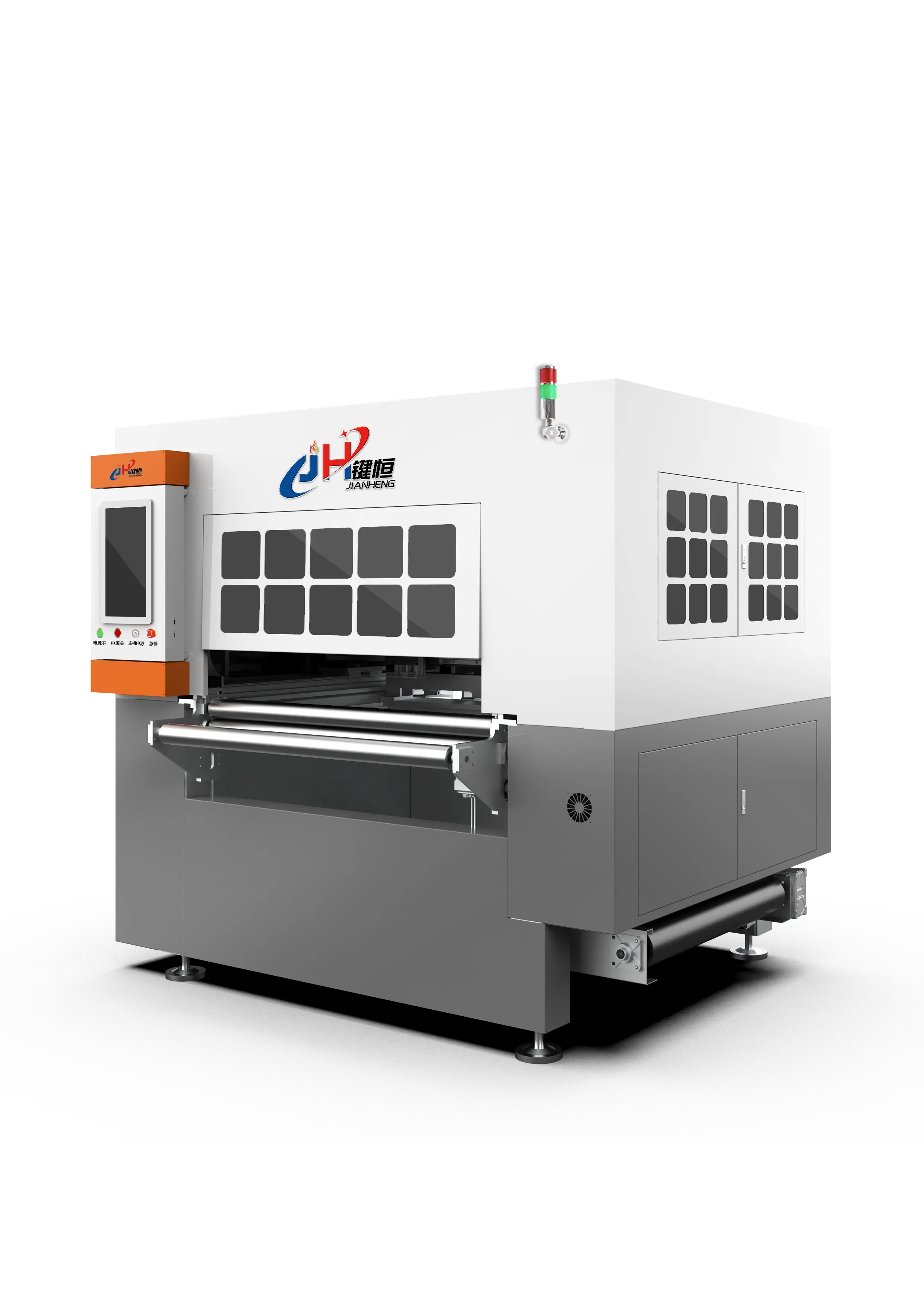
Why a CNC Laser Cutting Machine Is the Strategic Automation Hub of a Smart Factory
Industry 4.0–ready architecture: embedded sensors, edge computing, and OPC UA connectivity
Today's CNC laser cutters have become central components in smart factories thanks to their Industry 4.0 features. These machines come equipped with built-in sensors that keep tabs on everything from beam stability to how thick the material is getting and even temperature changes happening mid-cut. What makes them really stand out is edge computing technology that handles all this sensor data right there on site. This means operators don't have to wait for cloud processing delays before making adjustments to power levels or cutting speeds. The machines also connect seamlessly through OPC UA protocols, talking securely back and forth with other factory systems, manufacturing execution software, and enterprise resource planning tools. When materials start behaving differently than expected, these systems can automatically recalibrate themselves. They also sync up cutting operations with what's going on across the whole production line, which cuts down on unexpected stoppages and keeps overall productivity high in modern manufacturing setups where everything needs to work together smoothly.
Hardware-software convergence: how modern CNC laser cutting machines unify control, monitoring, and decision-making
Modern CNC laser cutting tech is blurring lines between actual machines and smart software. These advanced control systems bring together mechanical movement with forecasting tools, giving operators a clearer picture of what's happening on the shop floor. Real time dashboards show exactly where the laser is cutting and how much power it's using at any given moment. Meanwhile, artificial intelligence looks at when tools start wearing down so maintenance can happen before something breaks completely. During complex cutting jobs, the system makes on the fly changes to things like focus points or gas pressure settings, all while figuring out the best order for different parts to be cut. Shop workers aren't just pushing buttons anymore but instead monitoring quality checks and keeping track of materials being used. With closed loop feedback mechanisms in place, most machines stay accurate within about half a tenth of a millimeter, which means people don't need to step in as often during production runs maybe around 35 percent less frequently according to industry reports.
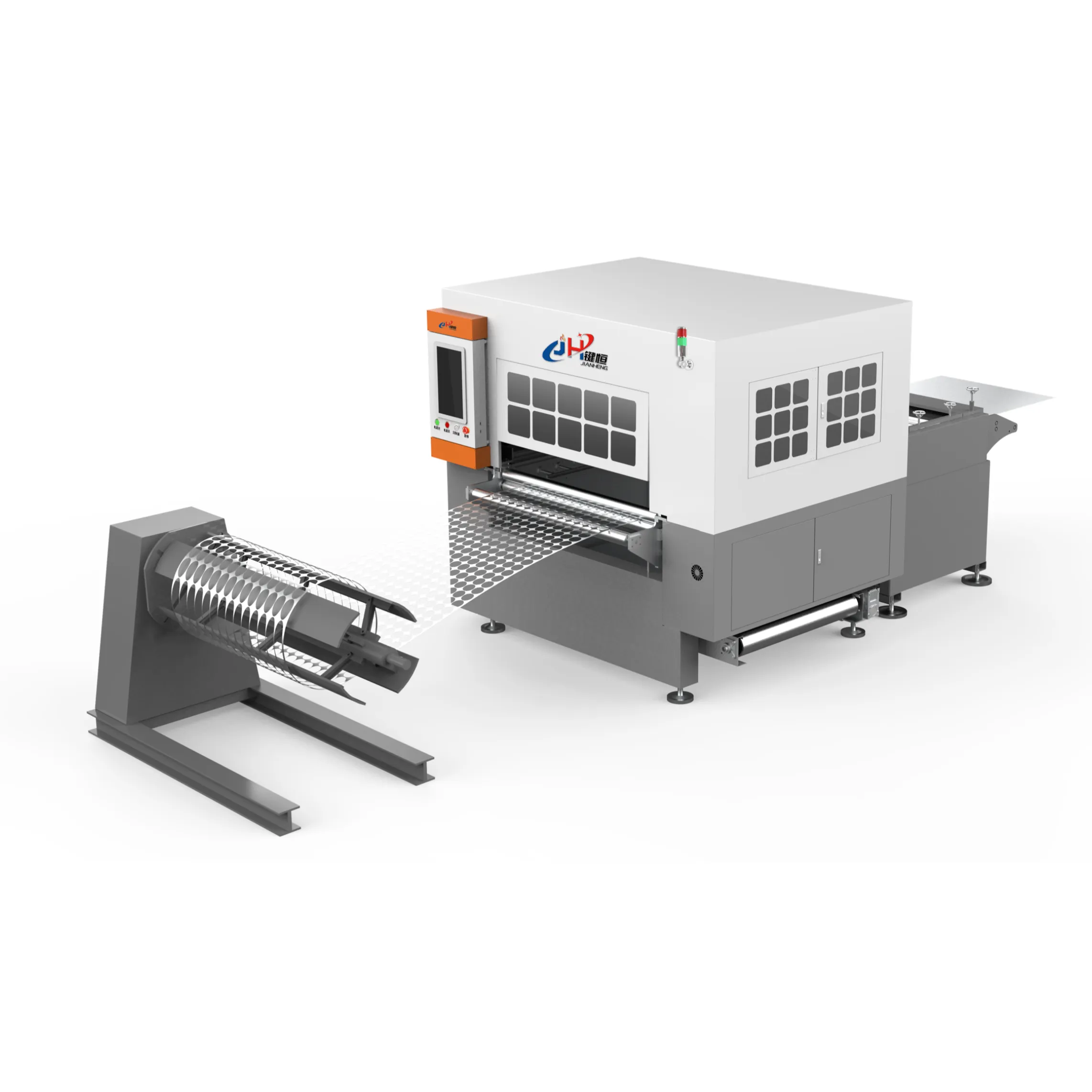
Seamless Integration: Connecting Your CNC Laser Cutting Machine to Smart Factory Systems
CAD/CAM-to-Machine Workflow Automation and Cloud-Based Fleet Management
The latest CNC laser cutters handle everything from design to actual production, so there's no need for those tedious manual file transfers or programming holdups anymore. Once designers finish their CAD models, CAM software takes over and creates the best possible cutting paths which get sent straight to the machine. Some companies even use cloud platforms to manage all their cutting operations across several machines at once. These systems let them assign jobs in real time, keep an eye on progress remotely, and adjust schedules as needed. Factories that have adopted this setup typically see around 20% faster turnaround times and about 15% savings on inventory costs when they match production rates to what materials are available and where orders stand in priority lists.
| Integration Layer | Key Capabilities | Operational Impact |
|---|---|---|
| Design | Auto-export DXF/DWG files to CAM | Reduces programming errors by 30% |
| Production | Machine-to-machine job routing | Increases equipment utilization by 25% |
| Management | Cloud-based OEE dashboards | Lowers scheduling overhead by 40% |
IoT-Enabled Bidirectional Data Exchange with MES, ERP, and Digital Twin Platforms
OPC UA makes CNC laser cutting machines into two way data points that send real time sensor information like cutting settings, power consumption figures, and maintenance warnings to MES systems. At the same time they get fresh work instructions directly from ERP platforms. When connected to digital twin technology, these machines can actually predict problems before they happen. Take feed rates for instance. If the material gets thicker than what's acceptable, the system will adjust on its own without needing operator intervention. The result? Overall Equipment Effectiveness typically goes up around 15 to maybe even 20 percent. This kind of smart connectivity helps catch quality issues early and saves money on wasted materials throughout the entire manufacturing process.
End-to-End Workflow Automation: Robotic Material Handling for Unattended CNC Laser Cutting Machine Operation
Robotic loading/unloading, palletized part stacking, and conveyor synchronization
Lights out manufacturing really works when robots and CNC lasers work together smoothly. The robotic arms take care of loading sheets and picking up finished parts with incredible precision at the micron level. This takes humans completely out of the equation for these tasks and makes sure everything gets set up exactly the same way every time. After cutting, components get stacked neatly on pallets which makes it much easier to move them along to packaging or storage areas. The conveyor belts stay in sync throughout the whole process from cutting through stacking to transportation, so nothing backs up and operations can run nonstop around the clock. Plants that implement this kind of system typically see their output jump by somewhere around 40%, while saving money on labor expenses too. Safety improves dramatically since workers aren't exposed to heavy materials or those dangerous sharp edges anymore. Plus, the robots handle parts so consistently that there's far less damage and wasted material during large production runs.
AI and Predictive Intelligence: Maximizing Uptime and Precision in CNC Laser Cutting Machine Operations
Real-time AI optimization of cut paths, focal depth, and power modulation
Modern CNC laser cutters now come equipped with smart AI that constantly tweaks cutting settings while the machine is running. These intelligent systems look at live data from sensors and compare it against what we know about different materials, then adjust how the laser moves across the workpiece. The result? Shorter cycle times, sometimes as much as 20% faster, plus automatic changes to focus depth when dealing with thicker or thinner parts. Another big plus is that the power level adjusts itself in real time to handle heat buildup and material differences, which cuts down on waste by around 15 to 30 percent according to industry reports last year. What this means for manufacturers is consistently accurate cuts down to fractions of a millimeter, even when working on intricate shapes, without all the hassle of manually adjusting things over and over again.
Predictive maintenance powered by machine health analytics and CNC software telemetry
IoT sensors embedded throughout machinery gather important data on vibrations, temperatures, and how much energy different parts are using. These sensors monitor everything from optical components to motion rails and cooling systems, sending all this information to analytics platforms powered by artificial intelligence. The machine learning algorithms can spot tiny changes in these readings that might indicate problems down the road, like when lenses get dirty or when motion rails start to drift out of alignment. Maintenance teams then get warnings about possible issues well over three days in advance. Factories that implement this kind of predictive maintenance see around 40 percent fewer unexpected shutdowns and their equipment lasts about 25 percent longer. Instead of waiting for something to break before fixing it, this approach lets technicians address problems specifically where they occur, which cuts down on repair expenses and keeps production running smoothly most of the time.
FAQ
What is the role of CNC Laser Cutting Machines in smart factories?
CNC Laser Cutting Machines are pivotal in smart factories due to their integration with Industry 4.0 features such as built-in sensors, edge computing, and seamless connectivity with factory systems which allow for real-time monitoring and adjustments in production processes.
How does AI benefit CNC Laser Cutting Machines?
AI enhances CNC Laser Cutting Machines by constantly optimizing cutting settings based on live data, thereby reducing cycle times and waste while improving accuracy and reducing manual intervention.
What are the advantages of integrating CNC machines with cloud-based and IoT platforms?
Integration with cloud-based and IoT platforms allows for real-time data exchange, predictive maintenance, reduced downtime, and optimized production through automated adjustments and remote monitoring.
How do robotic systems improve the efficiency of CNC Laser Cutting Machines?
Robotic systems enhance efficiency by automating tasks such as loading, unloading, and part stacking, thus minimizing human intervention, reducing labor costs, and improving safety and consistency in production.

