
 EN
EN



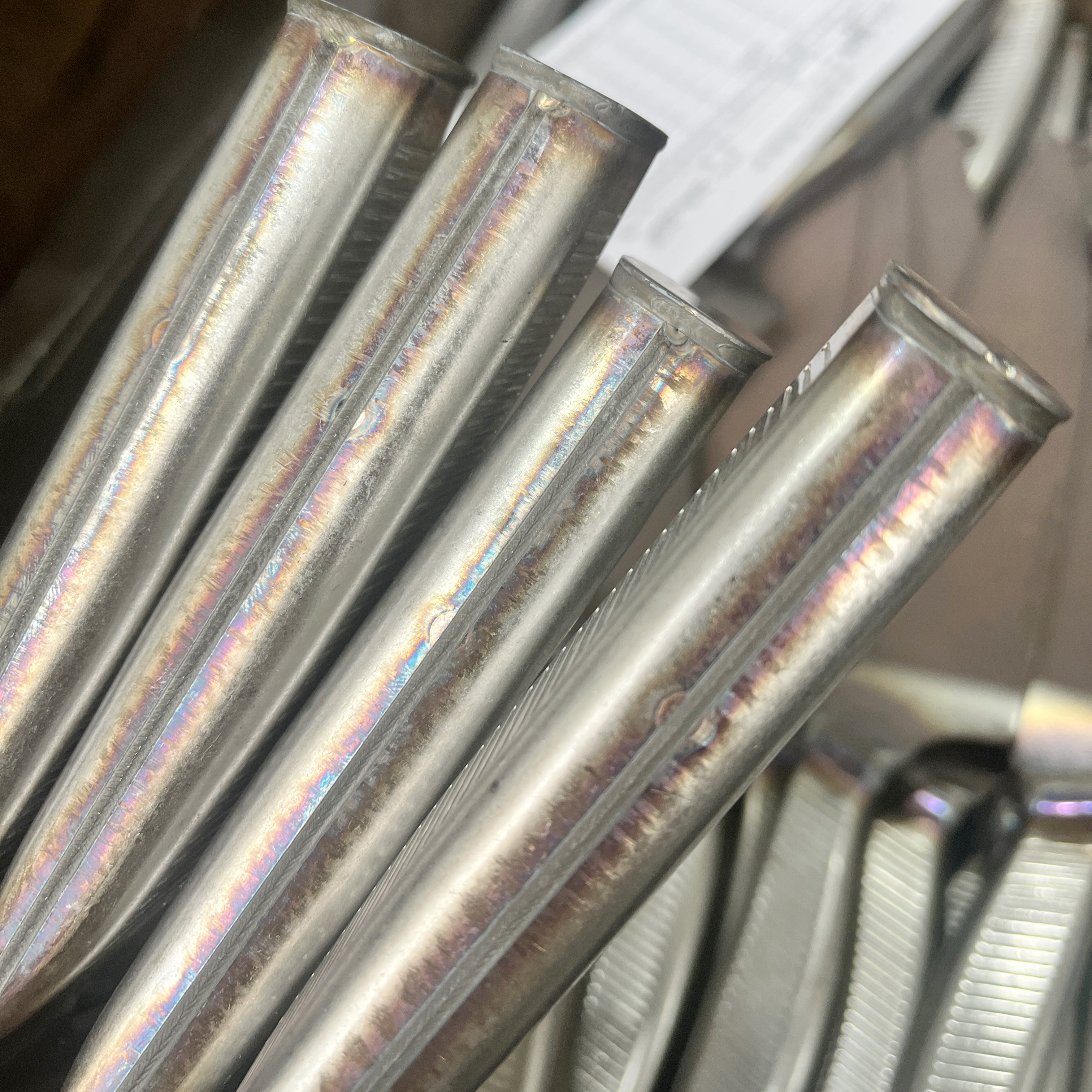
The Evolution of Automatic Laser Welding Machine in Modern Manufacturing
From manual to automated laser welding: A transformative shift in production
Switching from manual welding techniques to automatic laser welding represents probably the biggest leap forward in manufacturing since those early days when lasers first hit the scene back in the 60s. Back then, operators had to constantly tweak all sorts of complicated settings which really slowed things down and made scaling operations difficult. These days though, modern automation delivers around 15 to 20 microns of precision while moving at speeds over 10 meters per minute. That's roughly half the time it takes with traditional methods according to last year's Manufacturing Automation Report. What this means on the factory floor is much less variation between welds both in depth and alignment. For companies working with tight tolerances such as medical device makers, this has cut down on having to redo work by somewhere between 60 and 75 percent. Makes sense when you think about how critical consistency becomes in these applications.
Key drivers accelerating the adoption of Automatic Laser Welding Machine systems
Three critical factors fuel industrial adoption:
- Integration with robotics and PLCs enabling 24/7 operation with <0.1 mm repeatability
- Growing EV battery demand, requiring flawless hermetic seals at 2-3 second cycle times
- AI-powered quality monitoring that predicts weld defects with 98% accuracy
A 2023 analysis reveals automated laser systems achieve 40% higher throughput than semi-automated alternatives while cutting energy use per weld by 18%. These advancements position automatic laser welding machines as essential for manufacturers prioritizing both speed and precision at scale.
Unmatched Speed: How Automatic Laser Welding Reduces Cycle Times
Laser Welding Speed vs. Traditional Methods: Quantifying the Performance Gap
Laser welding machines work about 4 to 5 times quicker than old school TIG or MIG methods because they don't need people constantly moving parts around and can run nonstop. Some recent research from top industry experts in 2025 showed these automated fiber lasers hit speeds over 30 mm per second, way ahead of the 6 to 8 mm per second range for manual welding jobs. The speed boost cuts down on heat distortion by roughly two thirds, so factories actually save time on those long cooling periods without compromising the quality of the welds themselves. Most shops find this makes their production lines much more efficient overall.
| Method | Average Speed (mm/s) | Post-Processing Time Savings |
|---|---|---|
| Manual TIG Welding | 6-8 | 0% |
| Automatic Laser | 25-30+ | 35-50% |
High-Speed Capabilities and Their Impact on Throughput in Industrial Settings
Laser welding works without touching surfaces, which means manufacturers can process joints at the same time on several different axes. This cuts down assembly time for complicated parts such as electric vehicle battery trays by somewhere between forty and sixty five percent according to industry data. Many automotive component makers have noticed something interesting too: when they switch from hand welding to fully automatic systems, there's about an eighty percent drop in equipment breakdowns because these modern setups come with built-in predictive maintenance features. And let's not forget those high speed galvanometer scanners either. They really boost production rates, making thousands of exact welds every single hour in electronic device factories. Compared to old fashioned spot welding methods, this represents nearly ten times more output capacity.
Case Study: Achieving 40% Faster Cycle Times in Automotive Component Manufacturing
A leading transmission component manufacturer replaced manual welding cells with 12-axis automatic laser welding machines, achieving:
- 40% reduction in per-unit cycle time (14.2-8.5 minutes)
- 92% first-pass yield through AI-powered seam tracking
- 24/7 production capability with 98.6% uptime
Third-party validation confirmed annual savings of $740k (Ponemon 2023) from reduced scrap and labor costs. The system's adaptive power control eliminated post-weld grinding, reclaiming 225+ production hours monthly.
Precision and Consistency: The Quality Advantage of Automation
Modern manufacturing demands exacting standards that only automated systems can reliably deliver. Automatic laser welding machines exemplify this shift, combining robotic accuracy with intelligent process control to achieve unprecedented quality levels across industries from aerospace to medical device production.
Robotic precision and real-time control in Automatic Laser Welding Machine operations
The systems use advanced robots that are actually pretty smart when it comes to following exact paths. These machines can keep weld accuracy down to about 50 microns, which is really impressive considering they're moving faster than 10 meters per minute. There are sensors constantly watching for tiny shifts in how materials line up during the process. When something looks off, the system makes adjustments on the fly to maintain good joints without stopping. This kind of feedback loop basically stops the slow decline in quality that happens so often with manual work. Some research out there indicates that going automated cuts down those pesky shape problems by nearly 90% over what we see in traditional methods.
AI and monitoring systems: Ensuring consistent weld quality with minimal rework
The latest systems now combine machine vision with deep learning tech to check over 200 different aspects of each weld every single second. They look at things like how deep the metal penetrates and the pattern of those annoying little bits of molten material that fly off during welding. These smart inspection setups can spot flaws under 100 microns in size something no human eye could catch without magnification which lets factories fix problems right away before they turn into bigger issues. Companies that have adopted this approach are seeing some pretty impressive results too. Scrap rates drop by around three quarters when these systems are in place, and there's also about forty percent less wasted energy because workers don't have to keep redoing bad welds.
Reducing human error and post-processing needs through automation
Automatic laser welding machines eliminate inconsistencies caused by tired workers or varying skill levels by keeping all weld parameters standardized throughout the process. Many automotive parts makers report around a 60 percent drop in the need for extra machining after welding, since robots can place parts with incredible precision down to about 0.1 millimeters each time. The consistent results make it much easier to connect these operations with what comes next in manufacturing, which helps save money on production without compromising those strict quality standards required in fields like aerospace and medical device manufacturing where even tiny deviations matter a lot.
Real-World Impact: Case Study at Yangjiang Jianheng
Integrating Automated Laser Welding Into High-Volume Stainless Steel Fabrication
A manufacturer of industrial equipment based in China faced growing demands to boost production of stainless steel components without compromising on the kind of precision required for aerospace applications. The solution came through installation of an automated laser welding system at their facility. With this new technology, they managed to hit around 98.6 percent seam consistency on approximately 15,000 units produced each month, which represents roughly a 22 percent jump compared to what they could achieve with traditional arc welding techniques before. What really made a difference was the real time adjustment capability of the laser beam, which basically stopped thermal warping issues that plagued thin gauge materials. As a result, the amount of time spent on post weld machining dropped significantly, cutting down about 40 man hours per week from their schedule.
24/7 Operation and Quantified Gains: 35% Reduction in Production Cycle Time
Transitioning to lights-out laser welding enabled three-shift operation with 89% equipment uptime. Integrated vision systems detected micron-level deviations within 0.8 seconds, slashing quality checks from 25% to 3% of production batches. Over six months, the automated workflow shortened lead times from 14 days to 9.1 days—a 35% cycle time reduction—while handling 18% higher order volumes.
Future Trends and Strategic Optimization in Laser Welding
Growing demand in EV and aerospace sectors for high-speed Automatic Laser Welding Machine systems
The electric vehicle and aerospace industries are accelerating adoption of automatic laser welding machines, with EV battery case production rates increasing 37% year-over-year (Automotive Manufacturing Insights 2024). These sectors prioritize systems capable of joining advanced materials like aluminum-lithium alloys at 15 meters/minute while maintaining micron-level precision.
Fiber laser advancements driving higher speeds and long-term cost efficiency
Latest fiber laser innovations achieve 25% faster welding speeds than conventional CO₂ systems, with a 30% reduction in energy consumption per weld seam (Laser Systems Journal 2023). These advancements enable manufacturers to process 450 stainless steel components/hour while extending equipment lifespan through reduced thermal stress.
Strategic integration: Scalability, workforce training, and predictive maintenance
Leading manufacturers now combine modular automatic laser welding machine architectures with AI-driven maintenance systems, achieving 90% equipment uptime in 24/7 operations. The 2024 Global Manufacturing Trends Report highlights 40% faster production scaling when integrating these systems with cross-trained technical teams. Real-time monitoring solutions reduce rework costs by 65% through predictive quality control adjustments.
FAQ Section
What is the main advantage of automatic laser welding over manual methods?
Automatic laser welding provides higher precision, faster speeds, and consistency compared to manual methods, reducing errors and increasing efficiency.
How does automation impact production efficiency and costs?
Automation improves production efficiency by reducing cycle times and labor costs while maintaining high quality, resulting in significant cost savings.
Why are industries like EV and aerospace increasingly adopting laser welding?
Industries such as EV and aerospace prefer laser welding for its ability to seamlessly handle delicate assemblies and complex joints with high-speed and precision capabilities.

