
 EN
EN



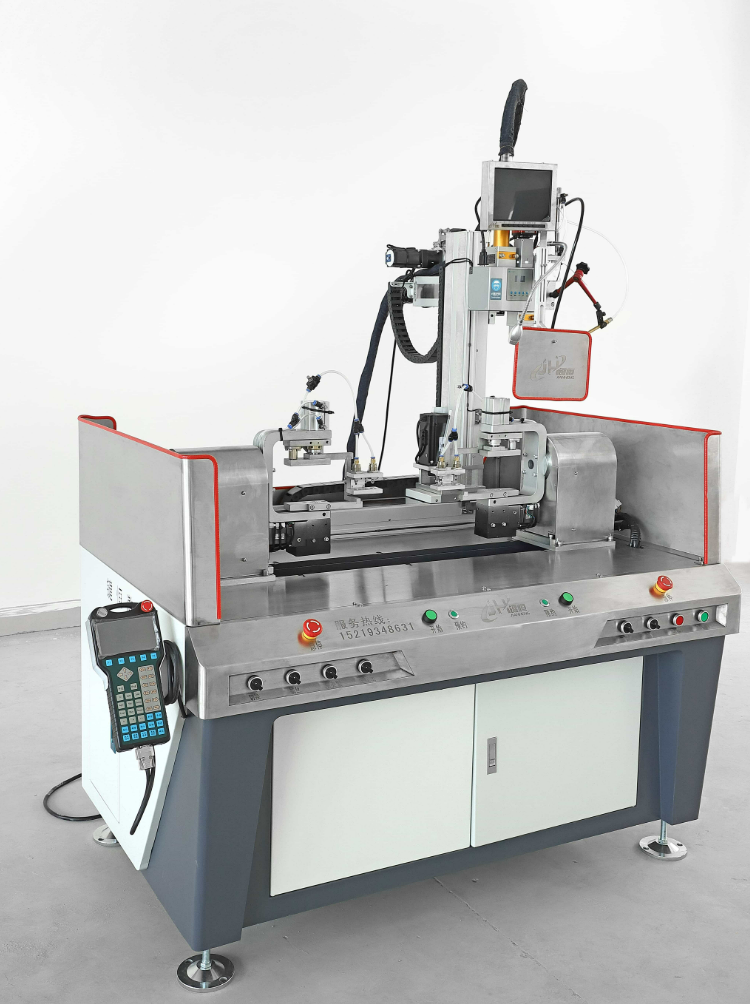
Why Automatic Laser Welding Machines Are Critical for High-Reliability Industries
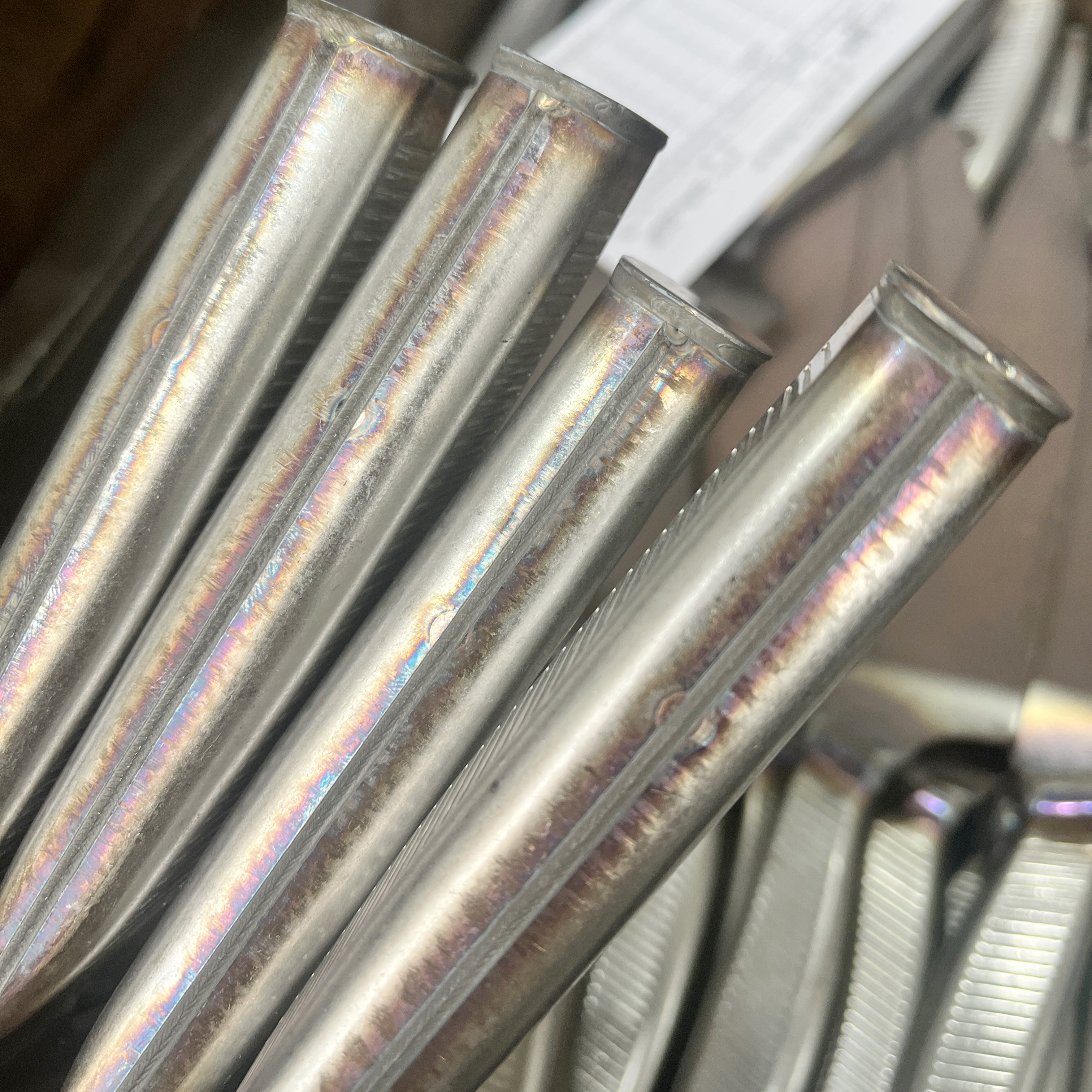
Industries that cannot afford mistakes, such as aerospace and medical device manufacturing, need welding techniques that hit all the right marks precision-wise, keep distortion to a minimum, and produce the same quality every single time because one failure can be disastrous. Laser welding systems automatically achieve measurements down to the micron level while putting out far less heat than older methods, which makes them ideal for working with tricky materials like titanium or those delicate thin-walled parts. When humans aren't involved in the actual welding process, there's no room for mistakes, so the results stay consistently good. Factories report defect rates dropping by around 80% when they switch to these automated systems according to recent industry reports from 2023. For companies needing to meet strict regulations like AS9100 in aviation where even small structural weaknesses could crash planes, or ISO 13485 requirements for medical equipment where proper sealing prevents dangerous contaminants from getting inside, this kind of reliability isn't just nice to have it's absolutely necessary. Manufacturers who want to cut down on waste and boost their output naturally gravitate toward automatic laser welding solutions when producing items where any flaw might cost lives.
Aerospace Applications: Structural Integrity, Material Challenges, and Certification Compliance
Welding titanium, aluminum, and dissimilar alloys with minimal distortion and full traceability
For aerospace parts made from tough materials like titanium and aluminum alloys, getting flawless welds is absolutely critical. Automatic laser welding makes this possible by controlling heat so precisely that the affected area stays below 0.3mm wide, which keeps those delicate thin walls from bending out of shape. What's really impressive? This method works even when joining different types of alloys together while still maintaining strong, reliable joints. Every detail matters in aerospace manufacturing, so modern systems track everything digitally - laser intensity, how fast the beam moves, even the exact flow rate of protective gases during welding. These records not only meet strict industry standards but also create a complete paper trail for quality checks at any point in production. When auditors come knocking, manufacturers know they've got all their ducks in a row thanks to these detailed logs.
Meeting AS9100 and Nadcap requirements through process control and weld documentation
Meeting standards like AS9100 and getting Nadcap accredited requires pretty strict process checks and tons of paperwork. The good news is automated systems handle most of this by generating thorough weld records that track everything from laser power settings to welding speeds and even what the workshop environment was like during production. These records create those audit trails that aviation authorities demand for their airworthiness certifications. Many shops now use thermal imaging alongside statistical process control tools to gather real time data points needed when facing Nadcap inspections. What's really helpful though is how these systems automatically store all the fatigue testing results and corrosion resistance measurements too. This kind of digital record keeping not only makes approval processes much smoother but can cut down on how long it takes to get certified overall something every manufacturer wants in today's fast paced industry.
Medical Device Manufacturing: Hermeticity, Microwelding Precision, and Regulatory Assurance
Medical device manufacturing demands unparalleled precision and reliability, where automatic laser welding machines deliver hermetic seals and micron-scale accuracy critical for patient safety. These systems enable contamination-free joins in implants and surgical instruments, directly supporting compliance with ISO 13485 and FDA regulations through rigorous process documentation and validation protocols.
ISO 13485 and FDA-Compliant Automatic Laser Welding for Implants and Surgical Tools
Today's automated laser welding setups come equipped with real time monitoring and feedback controls that help them hit those tough medical industry standards. These machines keep track of important factors like how much energy goes into each weld, where the laser beam lands, and what happens with heat distribution during the process. This attention to detail means all connections on devices such as heart pacemakers or orthopedic screws will satisfy both safety standards for living tissue compatibility and the need for completely sealed joints. With complete records available for every weld made, companies can cut down their testing periods by around 40 percent when compared to old fashioned hand welding techniques. Plus, since there's no physical contact between tool and material, these lasers don't create any particles floating around, so they won't mess up the sterile conditions required in manufacturing cleanrooms.
Sub-Millimeter Microwelding of Nitinol, Stainless Steel, and Thin-Walled Components Without Thermal Damage
When working with temperature sensitive stuff like nitinol, keeping the heat input under about 0.5 joules per square millimeter helps maintain those important shape memory characteristics. These days, advanced laser welding methods combined with beam oscillation can create really tiny welds, sometimes as small as 200 microns, on things like coronary stents and parts for catheters without creating any noticeable heat affected areas. With enclosures thinner than 0.1 mm, adjusting the power profile during welding stops them from burning through, yet still manages to produce welds that have around 15% greater tensile strength compared to the original material itself. Getting this kind of precision matters a lot when making neural implants or drug delivery devices because both structural integrity and being compatible with the body simply cannot be compromised.
Enabling Technologies in Modern Automatic Laser Welding Machines
Integrated real-time monitoring (vision, spectroscopy, thermal imaging) for zero-defect validation
Today's automatic laser welding setups combine vision cameras, spectroscopy tools, and thermal imaging to check weld quality as it happens. These vision systems keep an eye on how the weld pool behaves and where the joints line up, often down to the micron level. At the same time, spectroscopy looks for material problems by analyzing what comes out when metals get hot enough to melt. Thermal sensors track how heat spreads across the workpiece so we can avoid damaging the metal properties. All these sensors work together in what manufacturers call a feedback loop. When something goes off track, the system can make quick fixes like changing the laser strength or moving the beam position, stopping bad welds before they actually happen. In industries like aerospace and medical device manufacturing, this kind of real time control means almost no defects at all, which meets those strict quality standards like AS9100 and ISO 13485. Compared to old ways where people had to inspect welds after they were done, this new approach cuts down on wasted materials by about 90%. Plus, every single weld gets recorded digitally from start to finish, making record keeping much easier for quality control purposes.
FAQs
Why are automatic laser welding machines crucial for high-reliability industries?
Automatic laser welding machines are crucial because they ensure precision and consistency, significantly reducing defects, which is vital for sectors like aerospace and medical device manufacturing where reliability can prevent catastrophic failures.
What makes laser welding preferable for aerospace applications?
Laser welding precisely controls heat to keep material distortion minimal, essential for maintaining structural integrity when welding tough materials like titanium and aluminum alloys.
How do laser welding machines support medical device manufacturing?
These machines provide hermetic seals and micron-scale accuracy necessary for patient safety, helping manufacturers comply with stringent ISO 13485 and FDA regulations.
Can laser welding be used for temperature-sensitive materials?
Yes, advanced laser welding techniques allow for precise temperature control and minimal thermal damage, making them suitable for materials like nitinol, often used in medical applications.

