
 EN
EN



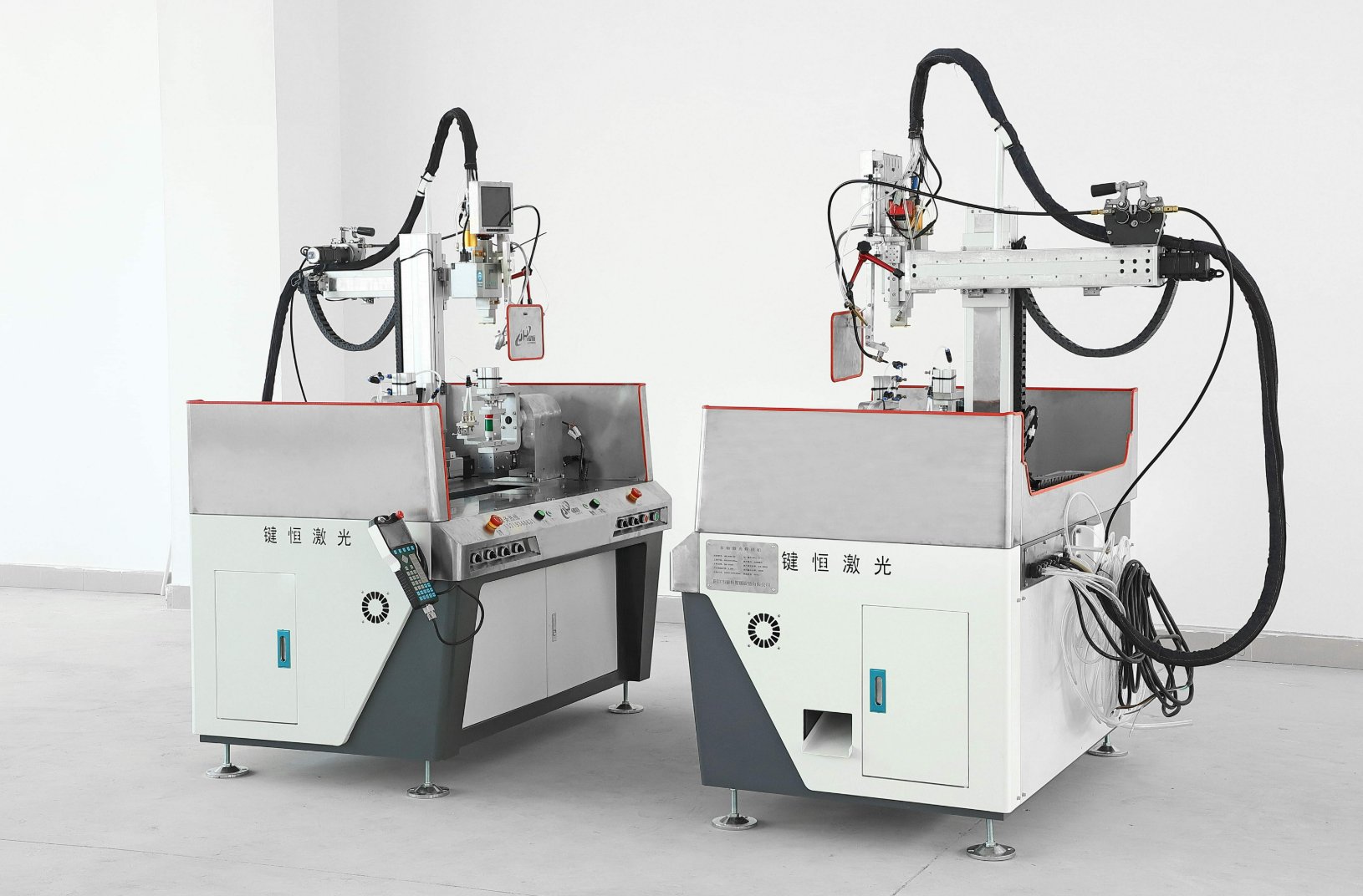
Why an Automatic Laser Welding Machine Excels at Delicate Component Joining
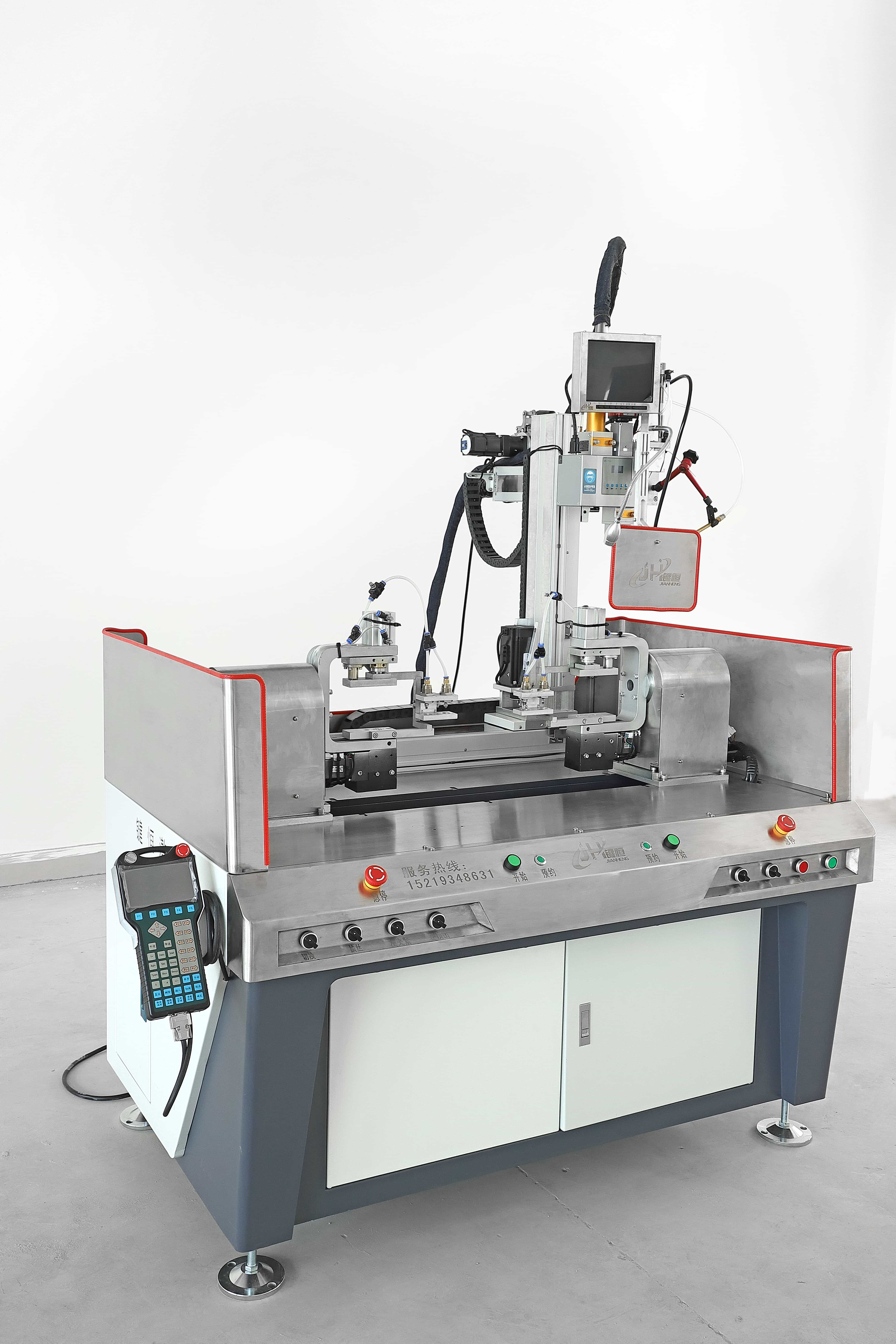
The Micro-Welding Paradox: High Energy vs. Thermal Fragility
When working with sensitive items such as medical sensors or tiny electronic components, getting the right amount of energy concentration is really important so we don't damage anything around what needs joining. Regular welding techniques just aren't up to the task most times. If there's too much heat applied to get those connections solid, then things start going wrong - thin walls might bend out of shape or little cracks could form that nobody wants to see. That's where automatic laser welding comes in handy. These machines focus their power down to areas under 50 microns across. They work in short bursts which means parts only experience high temperatures for fractions of a second. This cuts down on thermal stress somewhere between half and three quarters compared to old school arc welding methods. As a result, engineers can now weld materials as thin as tenth of a millimeter without worrying about warping them. Pretty much every manufacturer dealing with aerospace connectors or lab-on-a-chip technology relies on this method these days because nothing else gets the job done properly.
Non-Contact Photonic Energy Delivery Preserves Material Integrity
Laser welding works differently from traditional methods because it sends energy through light particles instead of relying on direct contact between components. This means there's no mechanical stress applied to delicate parts during the process. The laser creates a focused beam that gives manufacturers tight control over how deep the weld penetrates, which becomes really important when working with different types of metal combinations. Take medical device manufacturing for instance where copper and nickel alloys need to be joined together without compromising their properties. Since laser welding doesn't require any additional filler material, there's much less chance of introducing contaminants into the final product. A company recently managed to create completely sealed joints on stainless steel housing just 0.1mm thick using ultra-fast laser pulses, resulting in almost no heat affected area around the weld site. Another advantage comes from being able to work inside controlled atmosphere chambers filled with inert gases, protecting sensitive materials from unwanted chemical reactions while maintaining the strength and quality of the finished component.
Precision Heat Control and Minimal HAZ with an Automatic Laser Welding Machine
Thermal Stress Management: Preventing Cracks in Thin-Wall and Micro-Scale Parts
Good temperature control matters a lot when working on tiny scale joins. Laser welding equipment focuses heat into really small spots, cutting down on how much spreads around by somewhere between 60 and 80 percent compared to traditional arc methods according to research from Journal of Manufacturing Processes last year. This focused approach stops those delicate medical device cases and miniature electronic parts from getting warped. During the actual welding process, built-in temperature sensors tweak the energy levels as needed so nothing gets too hot. That keeps important materials like certain metal alloys from losing their strength properties because of excessive heat exposure.
Laser Parameter Optimization: Spot Size, Pulse Duration, and Real-Time Feedback for Sub-50µm HAZ
Creating heat-affected zones under 50µm demands precise tuning of key parameters:
- Spot size: As small as 20µm enables welding of hair-thin conductors
- Pulse duration: Nanosecond pulses prevent heat buildup in layered materials
- Adaptive control: Coaxial monitoring adjusts laser power within 5ms of detecting surface irregularities
Advanced systems achieve a 0.03mm HAZ in titanium aerospace sensors—far below the 0.5mm typical with conventional methods. This level of precision eliminates post-weld machining in 92% of micro-joining applications, according to industrial case studies.
Automation-Driven Stability: Fixturing, Vision Guidance, and Repeatability for Micro-Welding
Sub-Micron Positional Accuracy via Integrated Vision-Guided Motion and Adaptive Clamping
Getting consistent results in micro welding means getting rid of those pesky human variables by going automated. These days, vision guided systems are scanning components on the fly, making adjustments to laser paths down to half a micrometer accuracy. This kind of precision matters a lot when working with delicate stuff like medical wires or semiconductor connections where even tiny errors can spell disaster. The clamping fixtures aren't just static either they actually adapt as parts heat up during welding, compensating for that inevitable expansion. All these elements work together so the energy gets delivered reliably even if there are slight differences between parts. Real world tests show closed loop systems cut down positional drift by around 92% compared to what humans can manage manually, which explains why so many precision electronics manufacturers have made the switch. When optical feedback syncs up properly with the tooling response, we end up with joins that look and perform exactly the same every single time, without risking damage from alignment issues or too much pressure applied.
Real-World Validation: Medical and Electronics Applications of Automatic Laser Welding Machines
The capabilities of an automatic laser welding machine translate directly into high-stakes applications in medical and electronics manufacturing, where micron-level accuracy is non-negotiable.
Case Study: 0.1mm Stainless Steel Medical Sensor Housing Welding
A medical device manufacturer successfully sealed 0.1mm-thick stainless steel sensor housings using pulsed laser parameters, achieving fully hermetic joints without porosity. This eliminated fluid ingress in implantable devices while maintaining biocompatibility—validated by zero failure rates in accelerated aging tests.
Trend Spotlight: Ultra-Short Pulse Regimes (<100ns) Enabling <0.05mm HAZ in Titanium Micro-Components
Many electronics makers have started using pulses shorter than 100 nanoseconds to weld things like titanium battery contacts and those tiny neural probe arrays. These short bursts create heat affected zones (HAZ) smaller than 0.05 millimeters. That's actually pretty important because it stops the cold worked materials from getting softened during the process, so the little joints stay strong enough to handle stress. The system also monitors temperature in real time and tweaks how much energy gets delivered depending on what shape the joint is in. This approach has led to around 99.8 percent success rate on the first try when building densely packed printed circuit boards. We've seen a lot of growth in this area too, with adoption rates climbing about 40% each year as more firms move away from traditional resistance welding methods toward these laser based solutions for their delicate micro electronic components.
FAQ
Q1: What makes automatic laser welding better for delicate components?
A1: Automatic laser welding is superior for delicate components because it can focus energy into very small areas, reducing thermal stress and preventing damage to thin or sensitive materials.
Q2: How is laser welding different from traditional welding methods?
A2: Laser welding differs from traditional methods because it uses photonic energy delivery, avoiding direct contact and associated mechanical stress. This makes it ideal for joining different metal combinations without contamination.
Q3: What are the key benefits of using automatic laser welding in medical and electronic manufacturing?
A3: The benefits include high precision and accuracy, minimal heat-affected zones, preserving the strength and quality of joined materials, and the ability to form hermetic and biocompatible seals in medical devices.

