
 EN
EN



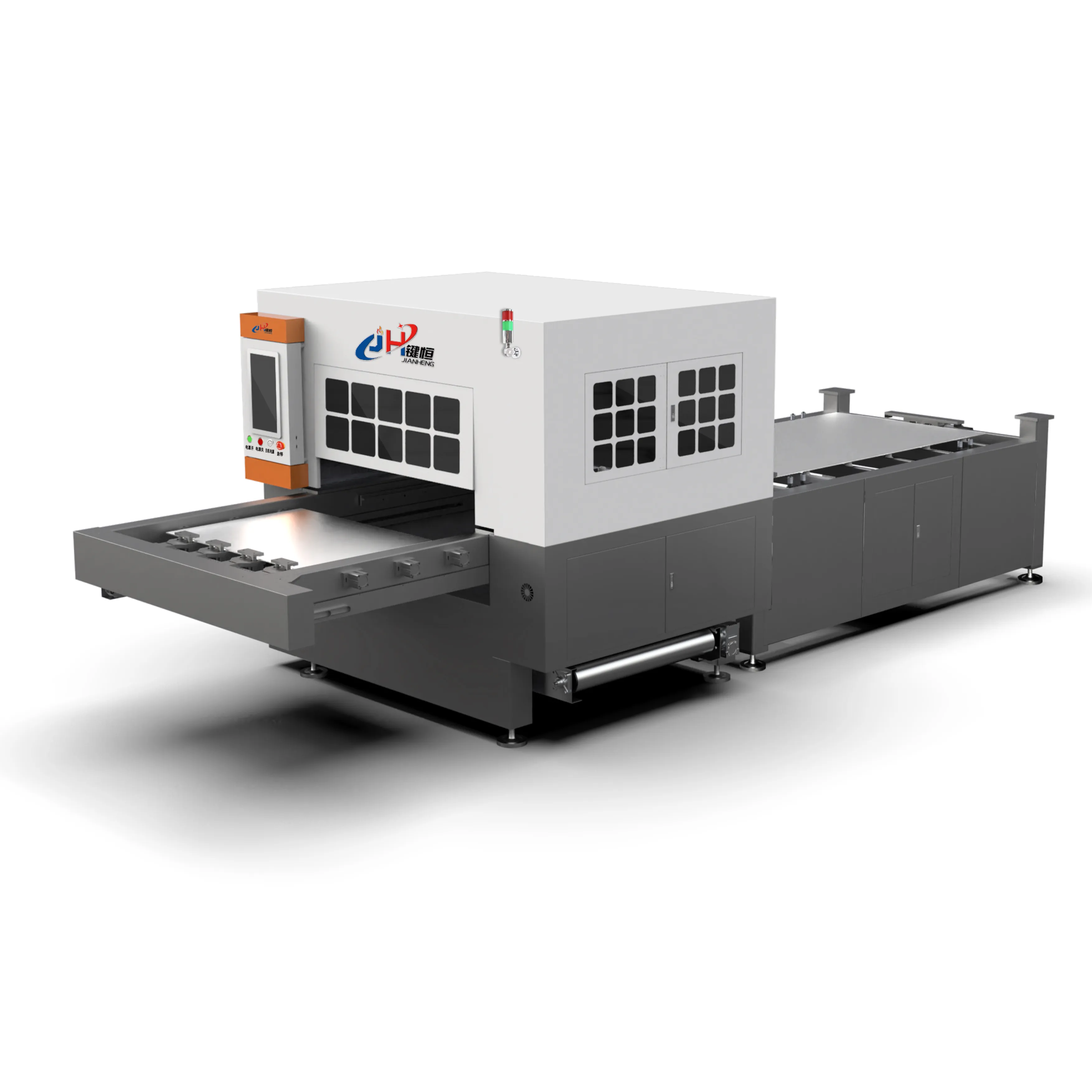
Why CNC Laser Cutting Machines Are Critical for Aerospace Component Fabrication
CNC laser cutting systems offer exceptional precision needed for aerospace manufacturing, keeping tolerances around ±0.05 mm when working with tough materials like titanium alloys, Inconel superalloys, and various composite materials. Getting these measurements right matters a lot because even small errors can lead to catastrophic failures in parts that are absolutely critical for flight safety. Since it's a non-contact method, there's no mechanical stress applied during cutting, which means sensitive materials stay uncontaminated and thermal distortion remains minimal. According to recent data from the Ponemon Institute (2023), quality failures cost aerospace companies about $740,000 on average. So when we talk about getting things right the first time, it's not just nice to have good accuracy anymore it's basically a must for staying profitable in this industry.
Meeting Extreme Tolerance Demands: ±0.05 mm on Titanium, Inconel, and Composites
The fiber based CNC lasers reach almost micrometer precision thanks to their adaptive beam control and thermal adjustments happening in real time. Take titanium engine mounts for instance, where even tiny deviations can create stress points that eventually lead to those annoying fatigue cracks nobody wants. Inconel parts for turbines need this kind of accuracy too, especially since they have to hold shape at those brutal 1200 degree temps during operation. Cutting carbon fiber composites presents another challenge altogether. These lasers actually vaporize the resin without damaging the fibers themselves, which keeps the laminate strong enough for what it needs to do. And let's not forget about those intricate shapes that would be totally impossible with regular cutting tools. Most manufacturers running these systems report meeting the FAA requirements consistently across batches, staying within that tight +/- 0.05 mm window that certification demands.
Case Evidence: Boeing 787 Wing Rib Production with Fiber-Based CNC Laser Cutting Machines
The Boeing 787 Dreamliner shows how fiber laser cutting really makes a difference in manufacturing operations. The wing ribs for these planes are made from thick titanium sheets about 6mm across, and each one needs literally thousands of those tiny lightening holes drilled throughout. Traditional methods would take forever, but fiber lasers can slice through all these features at around 15 meters per minute with amazing precision down to 0.03 mm accuracy. This cuts down on machining time by almost two thirds when compared to older waterjet techniques. What's even better is that these machines have this 5-axis movement ability which keeps everything looking exactly right on those complicated rib shapes. Plus there are built-in vision systems that double check measurements right before parts get unloaded from the machine, so no need for any rework during actual production runs. And let's not forget about the nesting software improvements either. These smart algorithms arrange materials so efficiently that manufacturers save roughly 40% on raw material costs compared to what they used to spend using conventional approaches.
CNC Laser Cutting Machines Driving EV and Lightweight Automotive Innovation
High-Volume Precision: Battery Tray, Chassis, and Structural Bracket Fabrication
Mass producing essential parts for electric vehicles becomes much easier with CNC laser cutting technology, offering remarkable consistency across batches. With tolerances around plus or minus 0.1 mm when working with aluminum alloys and those tough high strength steels, this method guarantees accurate fitting for things like battery trays, thermal shielding, and reinforcement sections of the chassis. These tight tolerances help cut down on wasted materials somewhere between 15% and 22%, while getting almost perfect results at first attempt for structural bracket manufacturing. Since there's no physical contact during the process, thin materials don't warp as they would with traditional methods, maintaining their strength properties even as vehicles get lighter overall. When paired with automatic material loading systems, these setups can run day and night without stopping, making them ideal for keeping up with growing market demands for electric platforms and dealing with increasingly strict emission regulations worldwide.
Smart Integration: Inline Metrology and Part Traceability via CNC Laser Cutting Machine Control Systems
Today's CNC laser cutters come equipped with built-in laser scanners and optical sensors that check measurements while parts are being made, not just at the end of the process. When something goes off track, these systems can spot deviations almost instantly, usually within half a second after the cut is done. Many machines also feature integrated QR code marking systems that etch special codes right onto components like battery trays or motor brackets. These codes connect physical parts to their virtual counterparts in digital manufacturing platforms. All this production information flows smoothly into Manufacturing Execution Systems (MES), creating complete visibility across every stage from when materials arrive until products get assembled. Such automated quality checks remove the need for time-consuming manual inspections, which typically saves manufacturers around 30 to 40 percent on lead times. Smart software keeps adjusting cutting settings as needed when material thickness changes are detected, maintaining good quality standards even when running small batches of different parts.
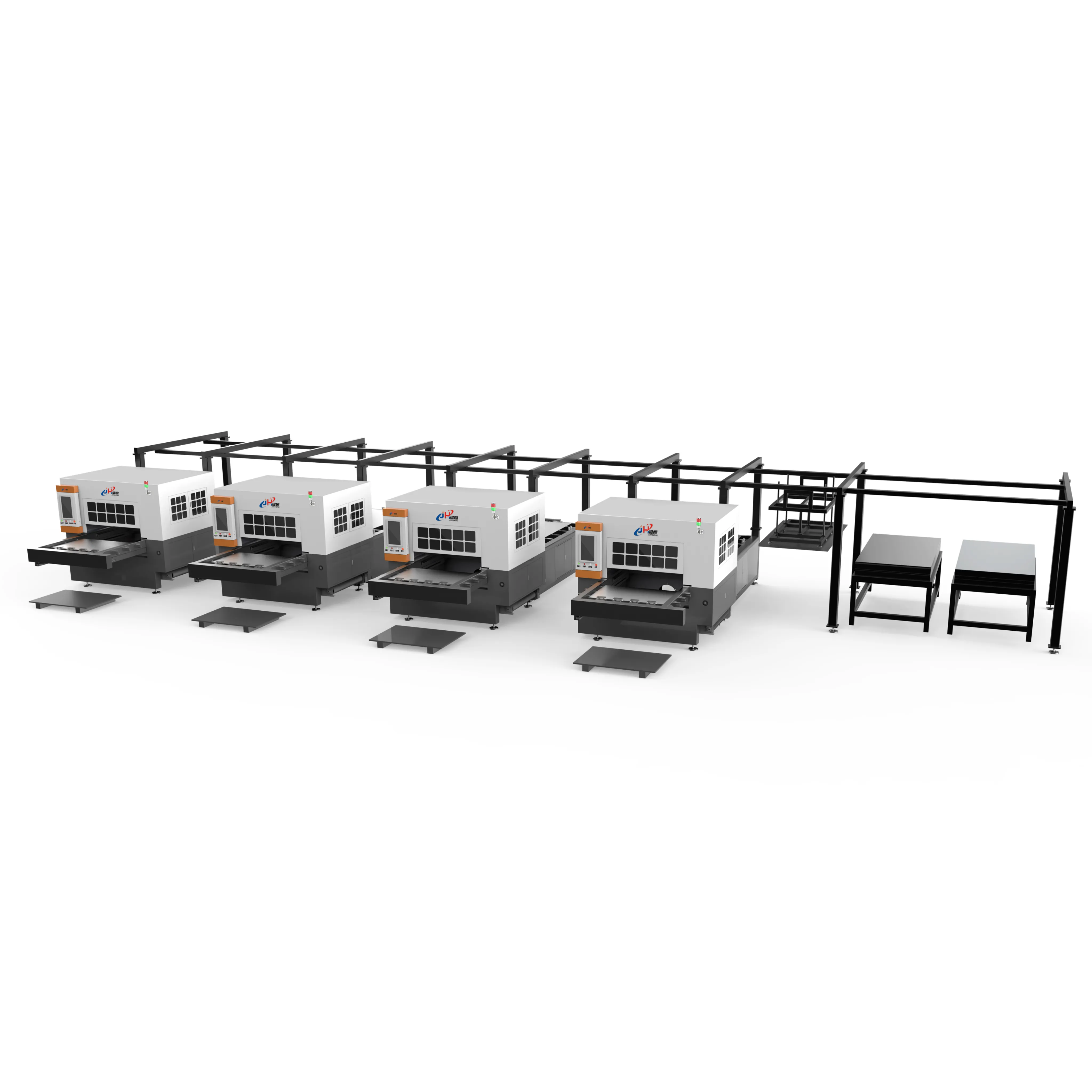
The Accuracy Advantage: How CNC Laser Cutting Machines Reduce Rework and Secondary Operations
The precision of CNC laser cutting reaches down to the micron level, around ±0.1 mm or even better than that. This kind of accuracy cuts down on expensive rework and gets rid of those extra finishing steps we usually need after cutting, things like grinding and deburring work. When looking at how operations actually run, studies indicate that workers spend about two thirds less time on these post-cutting processes compared to traditional methods. The smart nesting software combined with near perfect cutting reduces wasted materials somewhere between 15% and 30%. For a typical mid size manufacturing facility, this translates into saving over thirty five thousand dollars worth of raw materials each year. Parts can go right from being cut straight into assembly since there's basically no need for corrections anymore. These closed loop control systems keep everything consistent throughout different shifts and production batches too. Every single component ends up meeting those tight specs they need to meet. And let's face it, this matters a lot in industries like aerospace and automotive manufacturing where even tiny deviations from tolerances can lead to major problems during assembly.
Future-Ready Capabilities: Adaptive Control, AI-Driven Calibration, and Industry 4.0 Readiness
Closed-Loop Beam Optimization and Real-Time Parameter Adjustment
Today's CNC laser cutters use closed loop systems which keep checking the quality of the laser beam all throughout the cutting process. They look at things like how accurate the focal point is, whether the power stays stable, and what distance exists between the nozzle and workpiece surface. All this sensor info gets sent to smart control software powered by artificial intelligence. When these systems spot any problems with the material being cut or notice heat distortion happening, they instantly tweak parameters such as cutting speed, gas pressure used during assistance, and even change how often pulses occur from the laser itself. Take aluminum cutting for instance where temperatures cause expansion issues. The machine automatically adjusts its path while still cutting through the metal, so parts stay within about 0.1 millimeter tolerance range without needing anyone to manually intervene at all.
Modern Industry 4.0 platforms come equipped with smart calibration features that look at past job data to predict when optical parts will start wearing down. The system can actually adjust those tricky focal lenses and mirrors on its own before any real problems show up in the cutting quality. This proactive approach helps factories cut down on unexpected shutdowns by somewhere between 15% and maybe even 30%. When it comes to keeping things consistent, real time adjustments make all the difference too. They handle those little inconsistencies we see in batches of metal sheets or composite materials, so every part meets those super tight aerospace standards below 0.05 mm tolerance mark after mark. What this means for shop floors is pretty revolutionary really these days. Instead of having separate quality checks, everything just works together seamlessly from start to finish now.
FAQs: CNC Laser Cutting Machines
What materials can CNC laser cutting machines handle?
CNC laser cutting machines can handle a variety of tough materials including titanium alloys, Inconel superalloys, composite materials, aluminum alloys, and high-strength steels.
How accurate are CNC laser cutting machines?
CNC laser cutting machines offer exceptional precision, reaching tolerances around ±0.05 mm for aerospace manufacturing, and ±0.1 mm or even better for automotive applications.
Why are CNC laser cutting machines preferred for aerospace components?
They provide non-contact cutting that prevents mechanical stress and contamination, maintain high precision, reduce rework, and support compliance with stringent standards and regulations.
What are the benefits of using CNC laser cutting machines in automotive production?
They ensure remarkable consistency, reduce material wastage, enable lightweight yet strong component fabrication, and streamline production with automated systems.
How do CNC laser cutting machines integrate into modern manufacturing systems?
They come equipped with inline metrology, part traceability features, AI-driven calibration, and real-time parameter adjustments to fit seamlessly within Industry 4.0 manufacturing ecosystems.

