
 EN
EN



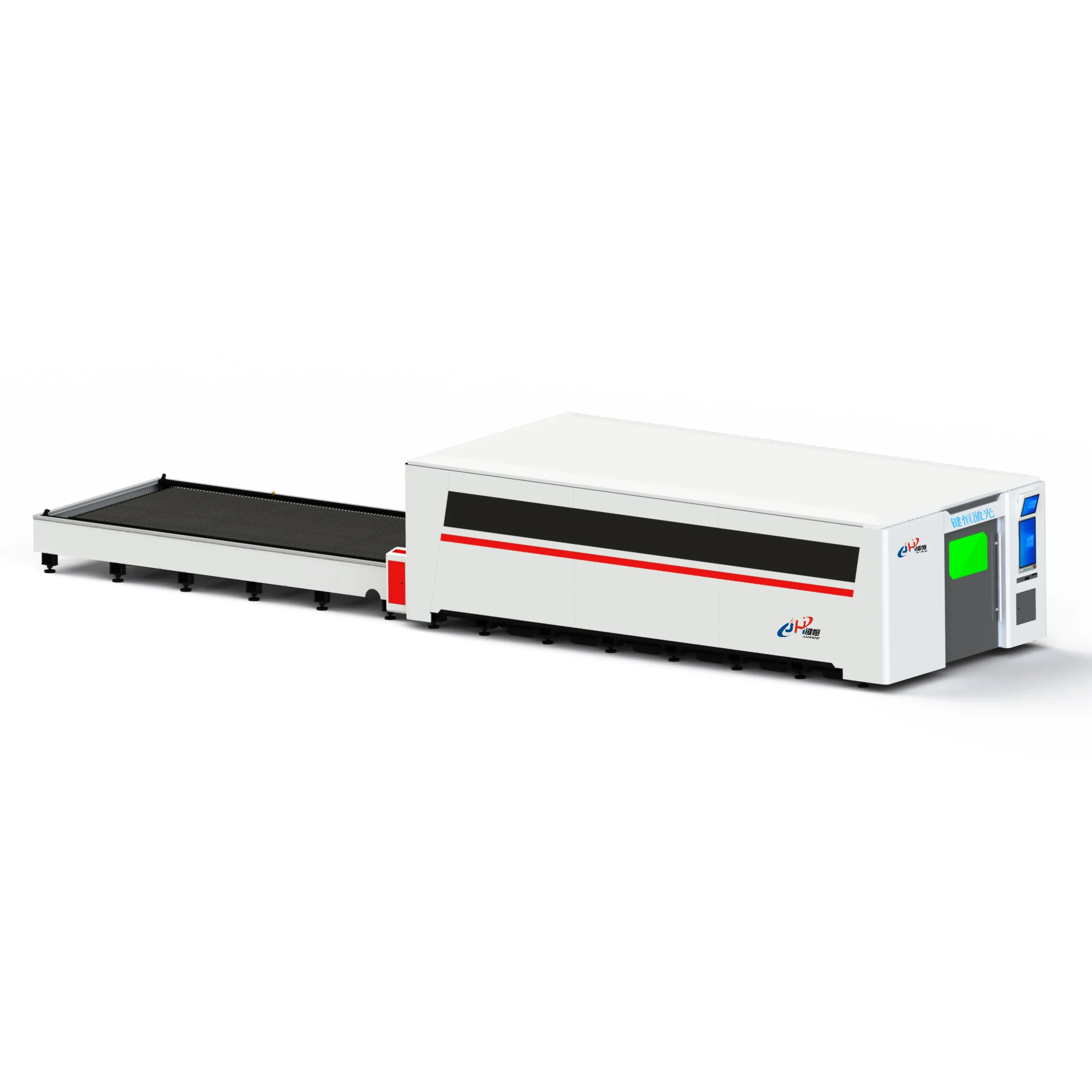
Precision Engineering of the Cut Edge with CNC Laser Cutting Machines
Focal spot control and beam stability: minimizing HAZ and burr formation at the source
CNC laser cutters today produce really sharp edges thanks to their ability to control the laser's focus down to microns and maintain a steady beam throughout the process. When the laser gets positioned just right, these machines can keep heat affected areas below 0.1mm on thin materials, which means less warping happens during cutting and those annoying burrs don't form in the first place. The advanced motion systems work hand in glove with how the material moves, so the energy stays consistent even when dealing with complicated shapes. Since there's no physical contact between tool and material, we avoid all that mechanical stress that tends to create tiny cracks in older cutting techniques. Skilled operators adjust both the focal point and spot size depending on what they're cutting through different thicknesses, resulting in cuts so clean they often skip the whole deburring step entirely. All this attention to detail translates into better product yields and faster turnaround times on shop floors across the country.
Achieving Ra < 3.2 µm surface finish—why fiber-based CNC laser cutting machines deliver weld-ready edges out-of-machine
Fiber based CNC laser cutters produce surface finishes under 3.2 microns Ra, which meets recognized industry standards for welding ready parts without needing any extra finishing work. These machines have better beam quality with BPP values below 2.0 mm mrad, allowing them to create smaller focal points that cleanly vaporize materials. The stable Gaussian beam shape helps reduce those annoying striation marks and keeps edges looking consistent all around. Compared to traditional CO2 lasers, fiber lasers handle reflective metals like aluminum and stainless steel much better, delivering clean cuts free from oxidation and producing strong, reliable edges. Even when running fast over 30 meters per minute, the optimized pulse settings and gas flow keep the cut quality intact. No wonder why most automotive component manufacturers these days prefer fiber lasers for structural parts they need right out of the machine, ready for welding or coating applications straight away.
Optimized Assist Gas Strategies for Oxide-Free, Finish-Ready Cuts
Nitrogen vs. oxygen: how high-purity nitrogen enables oxide-free kerfs essential for welding and painting
When using oxygen as an assist gas during cutting operations on mild steel, the process does boost cutting speeds thanks to those exothermic reactions. However, there's a downside. The heat affected zone ends up forming oxidation layers that actually weaken welds and make it hard for paints to stick properly. This means extra work later on with either grinding or chemical treatments which can really eat into budgets. On the flip side, when working with high purity nitrogen at around 99.999% or better, we get an environment where nothing oxidizes at all. The result? Clean edges that stay stable from a metallurgical standpoint. These are particularly good for materials like stainless steel, aluminum, and various other non-ferrous metals. Looking at what happens in automotive manufacturing specifically, parts cut with nitrogen assistance often hit surface roughness values below 3.2 micrometers right after machining. That meets weld ready standards straight away without needing any additional finishing work. As a bonus, this approach cuts down on post processing labor by about three quarters and stops those pesky coating failures caused by tiny oxide particles getting trapped underneath.
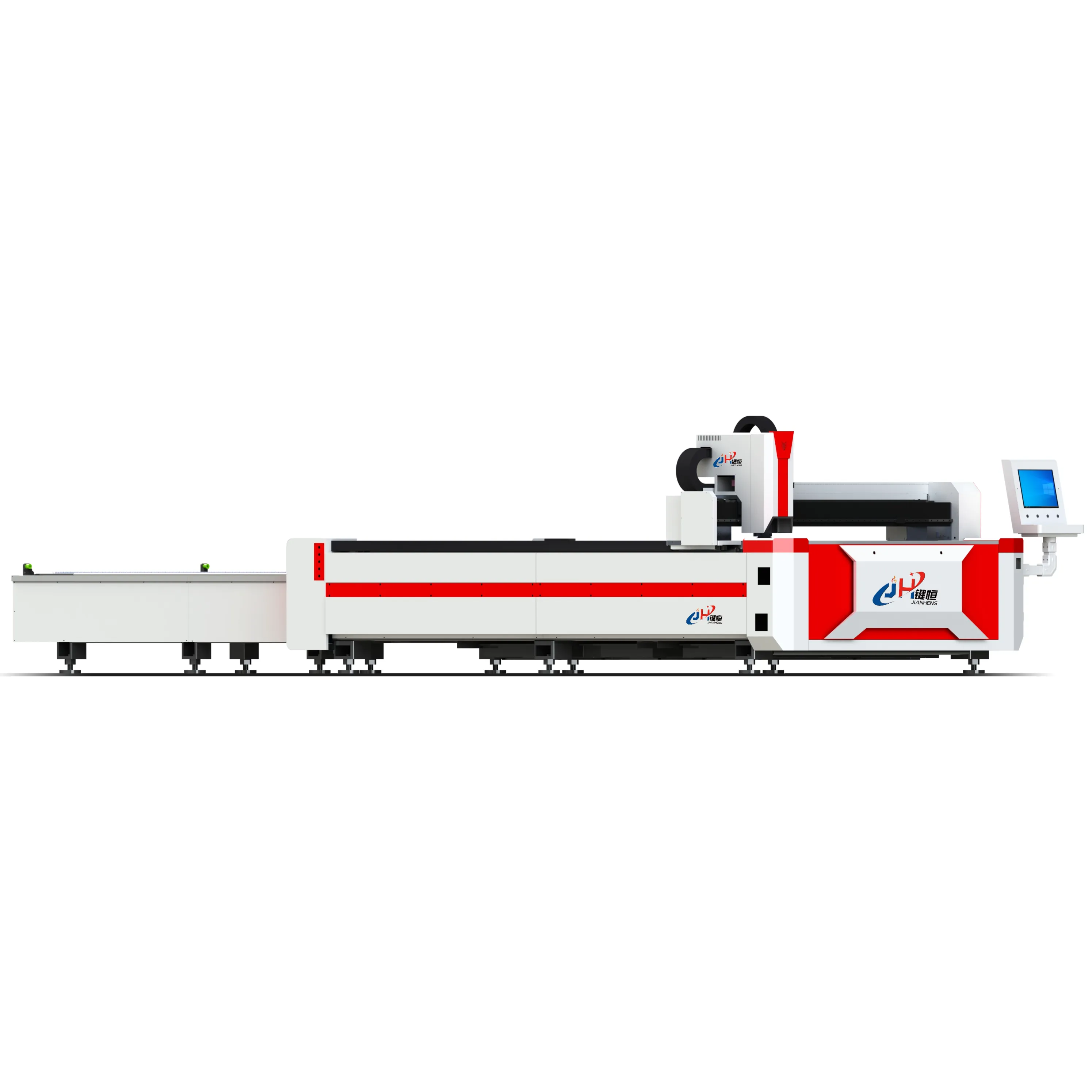
Gas pressure, flow dynamics, and nozzle geometry—key parameters fine-tuned in modern CNC laser cutting machines
Precision edge quality depends on tightly coordinated assist gas delivery:
- Pressure calibration: Modern systems dynamically adjust nitrogen pressure between 15–30 PSI using real-time material sensors—avoiding dross adhesion from low pressure or kerf distortion from excess.
- Flow dynamics: Laminar-flow nozzles suppress turbulence that introduces ambient oxygen, preserving cut integrity during tight corners and rapid direction changes.
- Nozzle geometry: Convergent-divergent designs accelerate gas velocity to over three times supersonic levels, efficiently ejecting molten material before oxidation can occur.
These parameters are algorithmically synchronized with cutting head kinematics in today's CNC laser cutting machines—ensuring oxide-free edges across complex contours and reducing post-processing costs by $86k/year per system, according to the Fabricators & Manufacturers Association (FMA) 2024 benchmark report.
Tangible Business Impact: Cost, Time, and Quality Gains from Eliminating Secondary Finishing
Real-world ROI: Automotive Tier-1 supplier cut post-processing labor by 73% after upgrading to nitrogen-assisted CNC laser cutting machines
One major automotive Tier-1 company got rid of all those time consuming grinding and deburring steps once they switched over to these new nitrogen assisted CNC laser cutters. This change cut down on post processing work by nearly three quarters according to their internal tracking. They saved around seven hundred forty thousand dollars each year as reported by the Ponemon Institute back in 2023. Production times sped up by almost a third too. And best of all, quality issues dropped below half a percent because the cuts were so consistently precise with great surface finishes throughout.
Industry shift: 68% of leading manufacturers now mandate weld-ready edges—accelerating adoption of advanced CNC laser cutting machines
The growing need for parts that don't require any secondary processing is changing how factories operate these days. About two thirds of leading manufacturers are now asking for edges ready for welding right after the cutting process completes. Because of this trend, many shops are moving toward fiber based CNC lasers that come with those special nitrogen systems. These setups help cut down on all that extra work like polishing and cleaning afterwards. Plus they maintain the metal properties which matters a lot when making components for things where safety is critical or reliability just can't be compromised.
Frequently Asked Questions
1. How do CNC laser cutting machines reduce post-processing labor costs?
By providing weld-ready edges immediately after cutting, these machines eliminate the need for deburring or grinding, cutting post-processing labor by up to 73% in some cases.
2. Why are fiber laser machines preferred over CO2 lasers?
Fiber lasers deliver better beam quality, are adept at cutting reflective metals like aluminum without oxidation, and produce cleaner cuts suitable for immediate welding applications.
3. What is the main advantage of using nitrogen as an assist gas with CNC laser cutting machines?
Using high-purity nitrogen prevents oxidation, ensuring cleaner cuts and better welding and painting results without adding additional finishing work.

