
 EN
EN



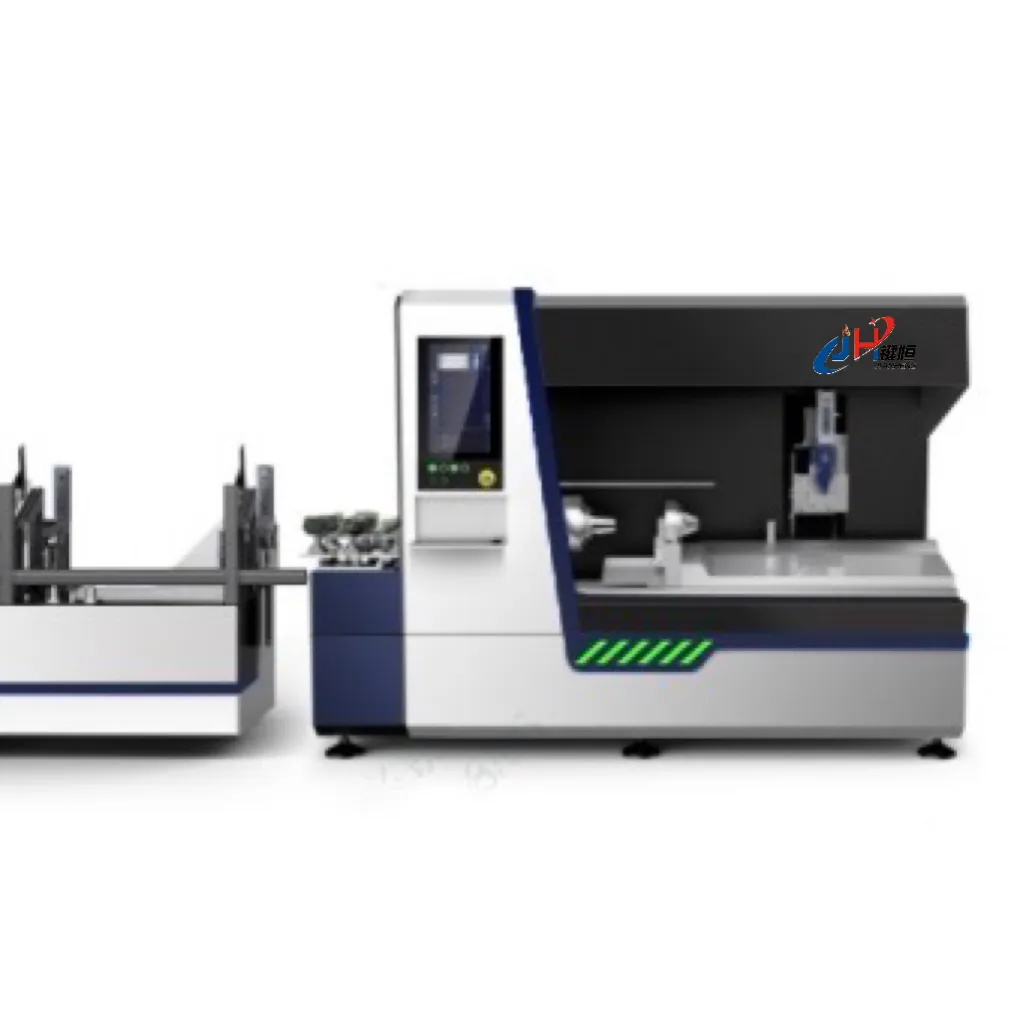
Unmatched Precision and Compliance: Why CNC Laser Cutting Machine Accuracy Drives Regulatory Confidence
CNC laser cutting machines can produce parts with incredibly tight tolerances around 0.05 mm. This kind of precision matters a lot in industries like aerospace and medical device manufacturing, because even small size differences can lead to serious problems down the line. The machines maintain this consistency thanks to feedback systems that constantly tweak the laser's position hundreds of times every second. This means when making batches of complex shapes, each piece comes out almost exactly the same as the last one. Take turbine blades for example many companies report hitting about 99.8% compliance with industry standards after switching to these systems. Traditional methods often had issues with human error during measurements, something these advanced machines basically eliminate altogether.
Sub-micron tolerance and batch-to-batch consistency for aerospace and medical-grade parts
The combination of advanced optical systems, real time thermal adjustments, and precise CNC coordination allows manufacturers to achieve incredible precision at the micron level while meeting both ISO 13485 standards and FDA requirements. These systems constantly compensate for distortions caused by heat buildup, maintaining around plus or minus 5 microns accuracy even when producing batches as large as 10,000 parts. This kind of consistency is especially important for making things like heart stents and airplane bracket components out of materials such as titanium and aluminum alloys. The improved reliability means factories can cut down on quality checks by about 40 percent. Plus it helps avoid those frustrating situations where products don't meet specifications, which would otherwise lead to expensive corrections or unwanted attention from regulators.
Elimination of manual intervention errors in high-mix, low-volume production
Toolpath optimization done automatically takes away the guesswork from custom jobs and prototypes where human error can creep in during calibration. Think about shops making all sorts of different parts throughout their shifts, like those electronic boxes or military components. CNC machines with smart software basically cut down on mistakes during setup because they handle nesting and avoid collisions using AI. The result? Shops see around a third less waste from parts that don't meet specs. Plus, there's less paperwork hassle when getting ready for ISO 9001 checks since everything runs smoother from start to finish.
Accelerated Throughput and Sustainable Cost Efficiency with CNC Laser Cutting Machines
3–5× faster processing vs. plasma/punching—measured in real-world sheet metal ROI
CNC fiber laser systems can slice through materials at around 40 meters per minute, which beats out traditional plasma cutting and mechanical punching methods by roughly three to five times faster when working with standard sheet metals. The increased speed means shorter wait times between orders, something that matters a lot in industries like car manufacturing and electronics assembly where being able to respond quickly often determines who gets the big contracts. Looking at the actual return on investment numbers from factories across the country, many report saving about 22 workdays each year just from faster processing times. These saved days allow shops to scale operations more easily during busy periods without having to pay extra for overtime or dealing with equipment backlogs that slow everything down.
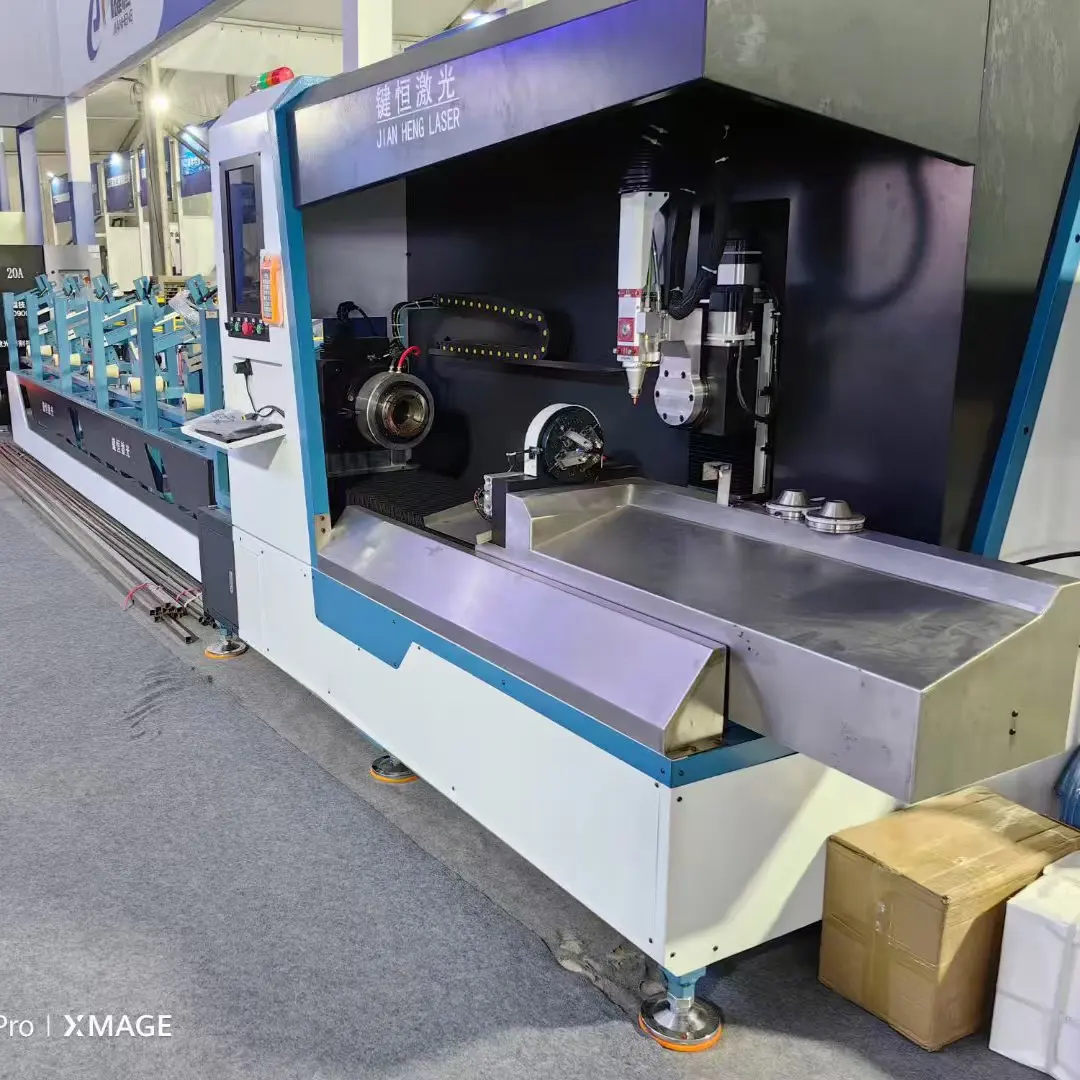
Near-zero kerf waste and AI-powered nesting: material savings up to 12%
Smart nesting software helps get the most out of sheets while keeping kerf widths down to about 0.1 mm, which basically gets rid of the leftover skeleton waste we see so often in regular layout methods. Research shows companies can save around 12% on raw materials, something that matters a lot when metal prices are all over the place. When looking at power usage too, there's a big difference compared to plasma systems. Fiber lasers typically run under 10 kW when cutting, leading to electricity savings between 30% and 70%. All these improvements mean businesses get both green and money benefits at once. Less stuff going to landfills, reduced energy bills, and more stable material expenses across the board. What started as just another efficiency metric for operations has now become a real competitive edge for manufacturers who care about sustainability and bottom lines alike.
Seamless Automation and Industry 4.0 Integration: Building a Future-Ready CNC Laser Cutting Machine Workflow
24/7 Unmanned Operation Powered by Predictive Maintenance and Remote Monitoring
Modern CNC laser cutters equipped with IoT technology can run nonstop without constant supervision. These machines have built-in sensors that keep track of things like vibrations, heat levels, and electrical consumption. All this information gets sent to smart maintenance software which actually predicts when parts might fail several weeks before they actually break down. This early warning system cuts unexpected machine stoppages by about 40%. Operators can check everything from their phones or computers thanks to remote monitoring dashboards that show what jobs are running, how much material is being used, and whether quality standards are met. If something goes wrong with the laser focus or gas pressure drops too low, the system sends automatic warnings so technicians know exactly what needs fixing. Combine all this with automatic loading systems and cloud-based design tools, and we get complete workflow automation. Lasers adjust themselves based on real time conditions, keeping production moving even when switching between different products. Factories report saving anywhere from 30% to 50% on supervisory labor costs with these smarter systems.
Strategic Scalability and Market Differentiation Across High-Stakes Industries
CNC laser cutters give manufacturers real flexibility when it comes to scaling operations—from making just one prototype all the way up to mass production runs—without needing new tools or special workers. The ability to switch between different production levels matters a lot in industries that need strict approvals, such as aerospace manufacturing and medical device production. Getting certified parts through these regulatory processes often takes anywhere from 18 to 24 long months. These machines maintain tight tolerances around ±0.1 mm no matter how many units are being produced. This consistency helps companies sidestep problems with compliance requirements and gets FDA approved components or those meeting AS9100 standards out to market much faster than traditional methods would allow.
FAQ
What are the advantages of using CNC laser cutting machines?
CNC laser cutting machines offer unmatched precision, maintaining tight tolerances around 0.05 mm. They eliminate manual errors, support sustainability with minimal material waste, and integrate seamlessly into Industry 4.0 environments for continuous operation.
How do CNC laser machines enhance compliance in regulated industries?
These machines provide consistency in production, which is crucial for meeting standards in industries like aerospace and medical. They help maintain compliance with ISO 13485 and FDA requirements, ensuring high-quality outputs.
What are the cost benefits of using CNC laser cutting technology?
Businesses using these machines benefit from faster processing times, material savings up to 12%, and reduced energy consumption. This efficiency results in a significant return on investment and lower operational costs.
How do CNC laser cutting machines integrate with modern production systems?
They integrate with IoT for remote monitoring, predictive maintenance, and automated workflow systems, allowing 24/7 operation without constant supervision. This enhances productivity and reduces labor costs.

