
 EN
EN



CNC Laser Cutting Machines Are Inherently Dangerous
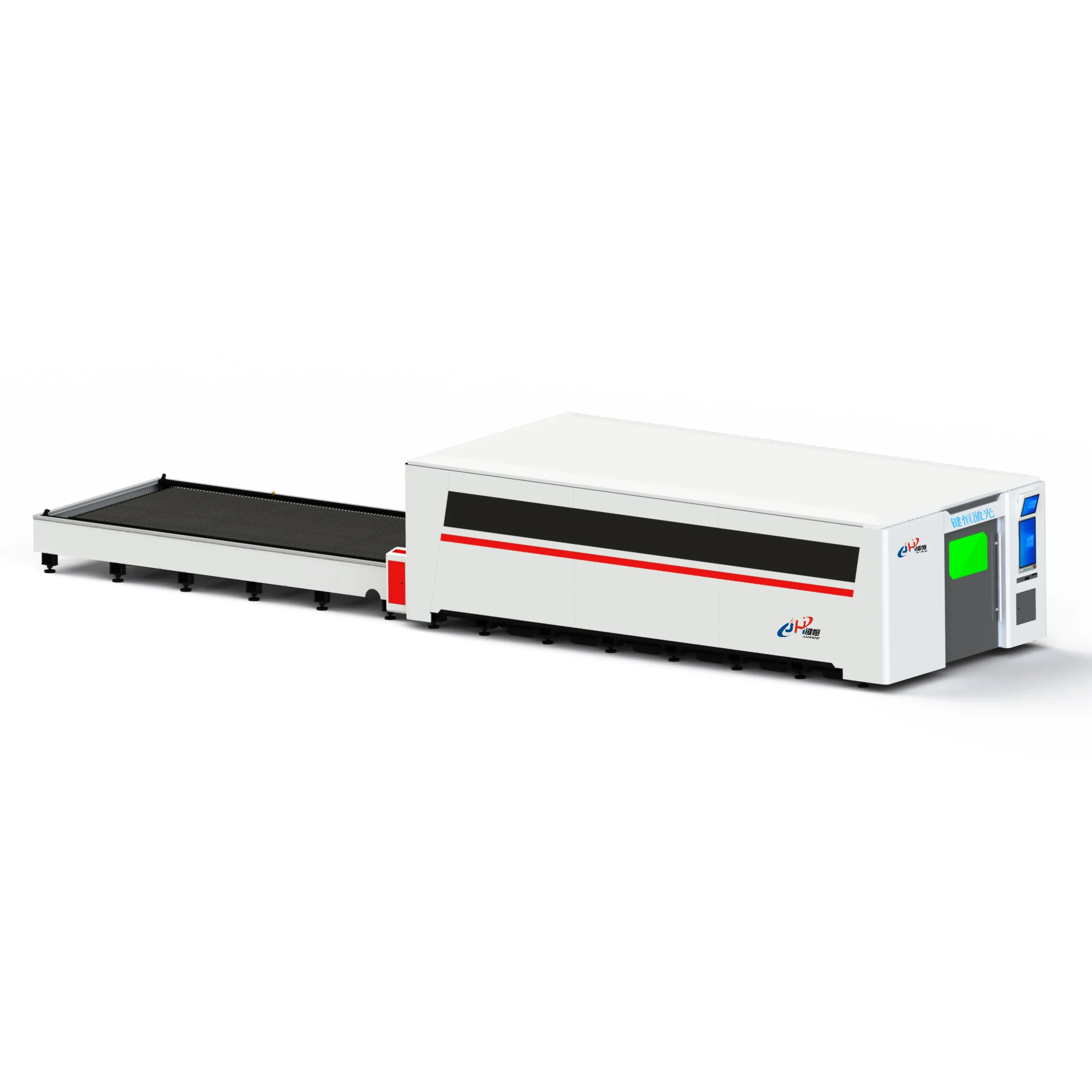
Reality of Integrated Safety Systems in Modern CNC Laser Cutting Machines
Today's CNC laser cutters come equipped with several built-in safety measures that make them pretty darn safe as long as operators follow proper procedures. One major feature is how the laser beam stays contained inside those sealed optical channels, so there's no chance someone gets exposed to that intense laser power accidentally. The machines have these Class 1 safety enclosures too, with doors that lock in place. If anyone opens those doors during operation, the whole system stops right away. Many newer models also include infrared sensors around the work area. These sensors can spot if a person gets too close and will shut down the machine instantly. Speaking of safety, most systems now have decent fume extraction setups with HEPA filters that grab almost all the tiny particles floating around after cutting. This helps keep the air clean and meets workplace safety standards. All these different safety layers combined have made industrial laser cutting much more predictable and manageable over time.
How CE/ISO-Certified Enclosures and Interlocks Eliminate Unnecessary Risk
Laser equipment makers need to meet strict safety standards set by the European Conformity (CE) and International Organization for Standardization (ISO). Machines that pass these tests come with triple backup interlocks on every panel door. The system stops the laser beam in about half a second if someone tries to open a panel when it shouldn't be touched. The protective enclosures are made from thick polycarbonate material that soaks up laser light at 1064nm wavelength but still lets workers see what's happening inside. Around the work areas, there are special pressure sensitive mats that will shut down operations too if anyone steps on them unexpectedly. Real world stats back this up pretty strongly actually. Factories using certified equipment report around 92% fewer accidents involving lasers than those without proper certification. This makes sense because good engineering solutions eliminate dangers at their source rather than just relying on people following rules perfectly all the time.
Higher Wattage Always Improves CNC Laser Cutting Machine Productivity
The Power-Speed-Gas Optimization Curve for Different Materials
Just because a CNC laser has higher wattage doesn't mean it will work better all the time. The real trick is finding the right balance between laser power, feed speed, and the type of gas used, depending on what material we're working with. Take thick steel plates over 10mm for instance. These need at least a 6kW laser paired with oxygen assistance to cut through efficiently, which can actually speed things up by around 30%. But when dealing with thinner stainless steel sheets between 0.5 and 2mm, going too big with power isn't wise. A smaller 1 to 2kW system works much better with nitrogen gas instead. Using excessive wattage on these thin metals creates problems like extra dross buildup (about 40% more) and makes the edges less accurate dimensionally. Smart manufacturers spend time fine tuning this three part relationship of power, speed, and gas selection to sidestep common issues such as wider cuts or unwanted oxidation that plague many shops.
When More Watts Reduce Precision or Increase Operating Costs
Too much laser power actually hurts precision work. Try cutting those delicate aluminum designs thinner than 1mm with anything over 3kW? According to Fabrication Tech Journal from last year, about two thirds of all test pieces ended up warped or distorted when exposed to such intense heat. And let's talk numbers for a second. Every time someone cranks up the wattage by another 1kW, energy bills jump anywhere between 18% and 22%. The nozzles don't last long either, needing replacement roughly three times as often because of all that molten metal flying back at them during operation. Most shops dealing with different material types find that their bottom line looks better with mid range 4kW systems instead of going for maximum power output. Makes sense really, since getting the most out of manufacturing isn't just about having the biggest hammer available, it's about finding what works best for each specific job requirement.
CNC Laser Cutting Machine Operations Inevitably Cause Thermal Warping
How Pulse Modulation and Nitrogen Assist Minimize Heat-Affected Zones
CNC laser cutters these days use something called pulse modulation tech to manage how much heat gets applied during cutting operations. The system works by firing short laser bursts followed by brief cooling periods, which brings down those peak temps around 40 percent lower than when running continuously. At the same time, nitrogen gas is blown onto the work area creating an environment without oxygen. This stops oxidation from happening and actually helps cool down what's being cut right there. When combining both techniques, manufacturers see heat affected areas shrink down to just over half a millimeter on thinner materials. That's way better than the usual 1.5mm mark where things start getting warped according to various metalworking guides including ASM Handbook Vol 4A. Getting the timing right between each laser shot lets the material release heat before it starts bending out of shape, so parts stay dimensionally stable throughout production runs.
Material-Specific Best Practices for Thin-Gauge Stainless and Aluminum
For stainless steel under 3mm thickness, optimal results come from combining high-speed cutting (over 25m/min) with reduced laser power settings. This balance prevents heat accumulation while maintaining precision. Aluminum's high thermal conductivity requires different parameters:
- Stainless Steel: Use nitrogen pressures above 15 bar with focal points slightly below the material surface
-
Aluminum: Apply pulse frequencies exceeding 500 Hz with assist gas flow rates 20% higher than steel settings
These adjustments limit temperature gradients across workpieces, virtually eliminating warpage when processing thin gauges. Manufacturers report dimensional accuracy improvements of ±0.05 mm when following these protocols—confirming that thermal distortion is a controllable variable, not an inevitable outcome.
CNC Laser Cutting Machines Require Constant Skilled Technician Oversight
Smart Features That Enable Autonomous Operation and Predictive Maintenance
Today's CNC laser cutters come packed with smart automation features that cut down on the need for constant human monitoring. These machines have built-in sensors watching everything from laser lenses to gas pressures and moving parts, automatically adjusting things like focus points or nozzle distances when needed. The real game changer? Smart software that looks at how these machines operate day to day. It can actually predict when something might break down before it happens, which cuts unexpected shutdowns by around 30% according to Fabricator Magazine last year. And there's more - automatic loading systems and safety features that stop collisions mean factories can run overnight without anyone present. This frees up skilled workers to spend their time on better stuff like setting up jobs, checking product quality, and tweaking processes for maximum efficiency instead of babysitting machines all day long.
Remote Support, AR Guidance, and Cloud-Connected Diagnostics
Cloud platforms have really changed how we handle troubleshooting issues before they become big problems. Sensors on machines send live data straight to central dashboards, and artificial intelligence spots when things start going off track compared to what's normal. When something goes wrong, techs get immediate notifications along with specific error codes. At the same time, augmented reality displays appear on smart glasses worn by maintenance crews showing them exactly what needs fixing step by step. Experts working remotely can actually look at equipment through virtual means and tweak settings as needed, which according to recent studies cuts down problem solving time roughly in half since last year. All this connectedness means fewer people need to physically touch machinery day to day, yet operations still run at top speed. The bottom line? Today's laser cutting isn't so much about having someone watch over every detail constantly anymore, but rather managing complex systems intelligently and reacting quickly when necessary.
Frequently Asked Questions
Are CNC laser cutting machines safe to use?
Yes, modern CNC laser cutting machines are designed with numerous built-in safety systems such as sealed optical channels, Class 1 safety enclosures, infrared sensors, and fume extraction systems to ensure safe operation.
Does higher wattage improve the productivity of CNC laser cutting machines?
Not necessarily. Productivity depends on balancing laser power, feed speed, and gas type for the material. Incorrect wattage may lead to problems like dross buildup and increased costs.
How do you prevent thermal warping in laser cutting?
By using pulse modulation, nitrogen assistance, and adjusting cutting parameters based on the material, thermal warping can be effectively minimized.
Do CNC laser cutting machines need constant supervision?
No, modern machines come with smart automation features for autonomous operation and predictive maintenance, reducing the need for constant skilled technician oversight.

