
 EN
EN



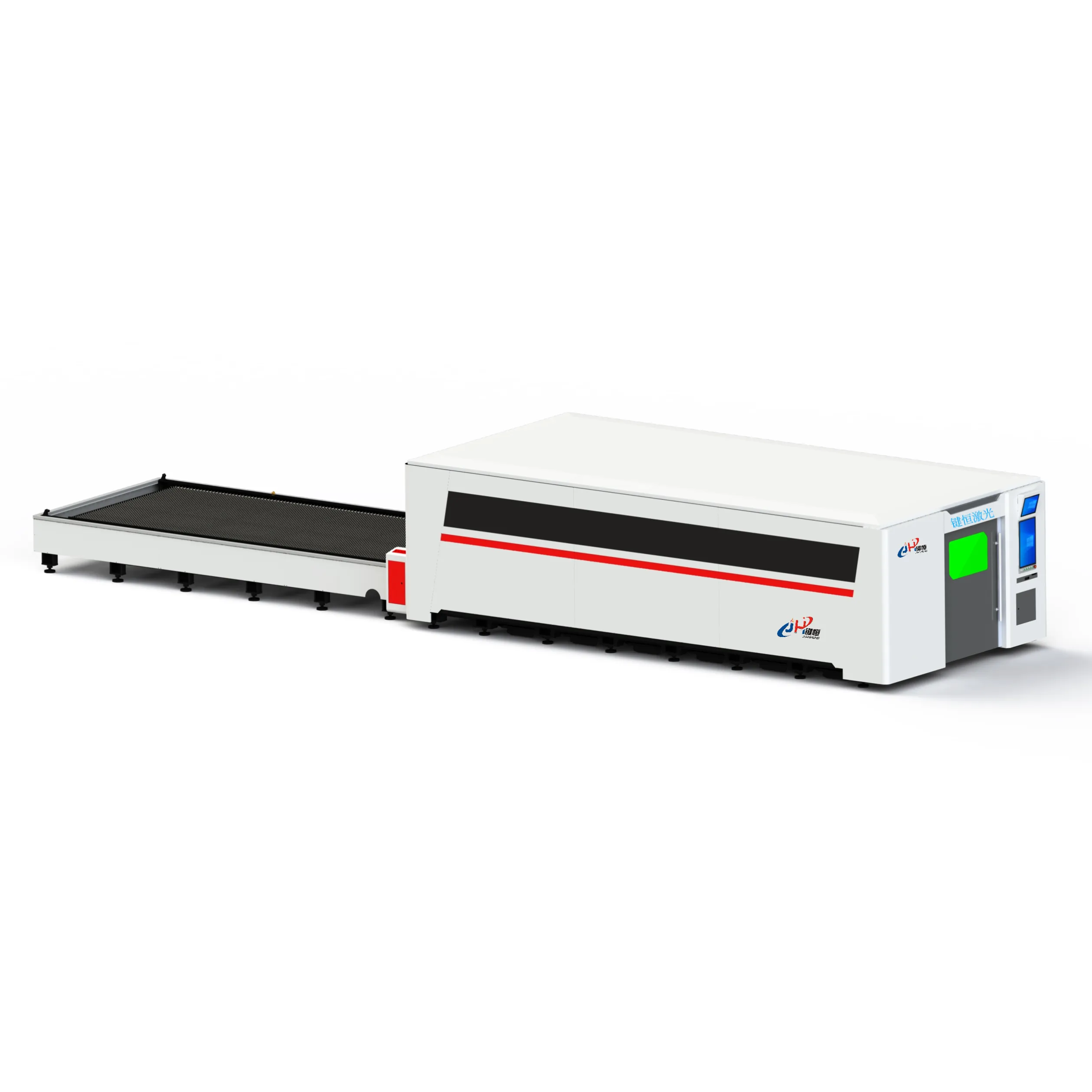
Faster Production Through CNC Laser Cutter Automation
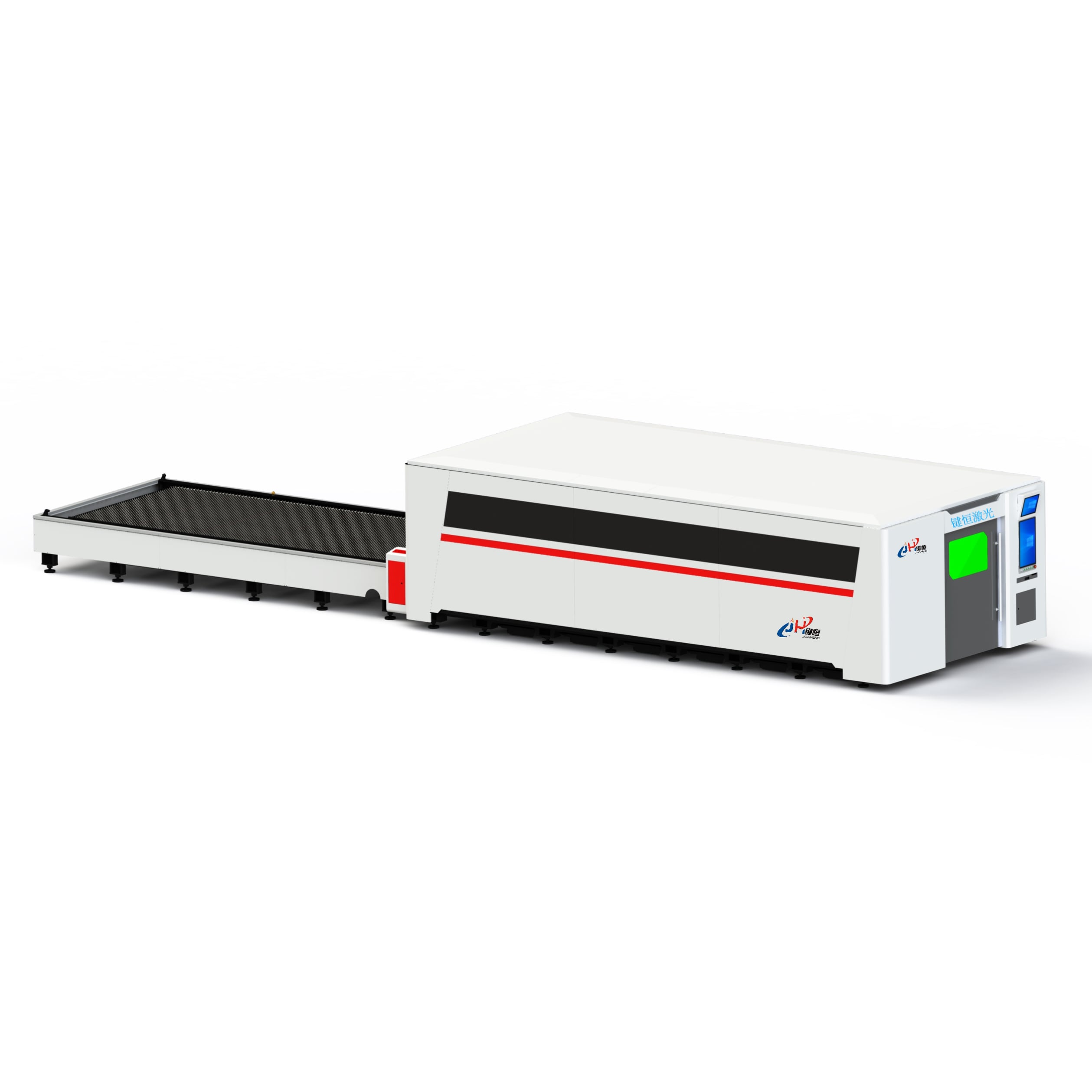
CAD-to-Cut Workflow Integration Eliminates Manual Setup Delays
When CAD designs get directly connected to CNC laser cutters, it cuts out all those tedious manual tasks like making templates, programming tool paths, and aligning things physically because the machine just turns digital blueprints into cutting commands right away. What this means is no more mistakes from people trying to position materials correctly, and operators can actually walk away while the machine works on its own. One big manufacturing company saw their setup times drop by about 80% once they started using these integrated systems. Jobs got going much faster without needing extra workers or overtime hours, which makes a real difference when production schedules are tight.
Consistent Cycle Times vs. Traditional Cutting Methods
CNC laser cutters keep going strong no matter what shape they're cutting, unlike traditional mechanical or thermal methods that tend to slow down when things get complicated or start wearing out over time. Industry studies back this up showing these lasers can actually cut materials about 30 percent faster on average compared to plasma or waterjet systems according to Deloitte's latest report from 2023. What makes them so reliable is how precisely controlled everything stays throughout each batch run after run. MarketResearchFuture predicts manufacturers will continue adopting these machines at around 9.2% per year until 2026 because of this reliability factor. And since there's less variation in production quality from one piece to another, factories can produce more goods every day without needing extra workers just to handle fluctuations.
Lower Material Costs with Precision CNC Laser Cutter Nesting
Narrow Kerf and High-Accuracy Cutting Minimize Scrap
Material savings from CNC fiber lasers come mainly from their incredibly narrow cutting path, sometimes as small as just 0.1 mm compared to around 1 to 2 mm for plasma cutting systems. With such tight control over the cut, there's much less wasted space between parts on sheet metal, and most pieces come out right the first time too. Success rates often hit above 98% which means almost no need for fixing mistakes later. For valuable materials like stainless steel where every millimeter counts, making the cut width half what it was before can save manufacturers hundreds of thousands each year according to recent industry numbers. These machines also maintain consistent accuracy throughout entire sheets, staying within about plus or minus 0.05 mm. That kind of precision keeps parts from being thrown away because they don't fit specifications.
Smart Nesting Software Maximizes Sheet Utilization
Smart nesting software looks at how parts fit together and arranges them like pieces of a jigsaw puzzle, cutting down on empty spaces between components by around 30% compared to what humans can manage manually. When manufacturers run these optimized layouts on their standard metal sheets, they get more good parts out of each sheet instead of throwing away chunks as scrap. Real world numbers tell the story best: factories using this tech see about half the material going to waste, and their yearly spending on raw materials drops somewhere between 18 and 22 percent. And that doesn't even count the money saved when there's less scrap to haul away and dispose of properly.
Improved Yield and ROI from CNC Laser Cutter Precision
CNC laser cutting really boosts manufacturing output because it cuts down on wasted material, but there's another angle to consider too. When we talk about narrow kerfs and those super tight tolerances, what we're actually seeing is less waste between parts and way less need for fixing things after the fact due to measurement issues. And let's not forget how accurate these machines are right out of the gate, which means manufacturers don't have to spend extra time and money on secondary processes. Bottom line? More usable parts come off each sheet of raw material, and companies end up saving money they didn't even realize was being spent elsewhere in the production process.
The increased accuracy speeds up return on investment in two main ways. First, it cuts down what each part costs because there's less waste of materials and fewer man hours needed. Second, machines get used more efficiently since jobs move through faster and breakdowns happen less often. Most manufacturers see their money back within around 12 to maybe 18 months. This happens not just from saving money directly, but also because they can take on those complicated orders with better profit margins that old school techniques simply couldn't handle without losing money or causing problems down the line.
Scalable Throughput: How CNC Laser Cutters Support Growth Without Proportional Labor Increases
Manufacturers using CNC laser cutters can boost production volumes anywhere from 2 to 3 times without needing to hire more staff. These machines work nonstop once programmed, requiring little oversight compared to old school manual cutting techniques where workers had to be on site constantly. Real world numbers back this up too many shops report seeing their labor expenses fall between 40 and 60 percent after switching to automated systems. When business picks up, all that's needed is to copy the design files onto extra machines instead of going through the hassle of bringing on and training new techs. Traditional shops tell stories about waiting months just to get enough trained personnel to handle increased orders something that simply doesn't happen with properly set up laser cutting operations.
This transforms fixed labor overhead into a variable, demand-responsive expense”allowing businesses to absorb order surges while sustaining 30“50% higher gross margins than conventional fabrication. For companies planning rapid expansion, CNC laser infrastructure delivers strategic scalability, not just incremental throughput.
FAQ
How does CNC laser cutter automation impact production times?
By integrating CAD designs directly with CNC laser cutters, production times are reduced significantly as manual setup tasks are eliminated. This allows jobs to start quickly without additional workers or overtime hours.What are the material savings with CNC laser cutters?
Material savings are achieved through precision cutting with narrow kerfs, reducing scrap and ensuring high success rates, particularly in valuable materials like stainless steel.How do CNC laser cutters contribute to improved yield and ROI?
These cutters improve yield by minimizing material waste and enhancing accuracy and efficiency, leading to a faster return on investment through reduced part costs and fewer breakdowns.Can CNC laser cutters support scalable growth?
Yes, they allow manufacturers to increase output significantly without proportional labor increases, sustaining higher margins and offering strategic scalability for rapid expansion.

