
 EN
EN



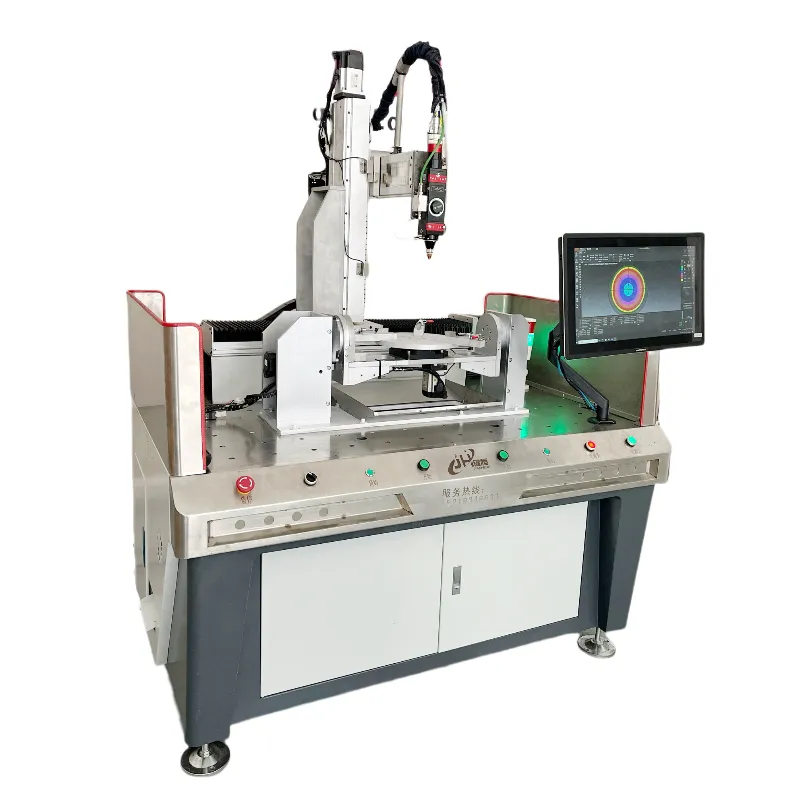
Working principle of CNC laser cutting machine : technology and core principles
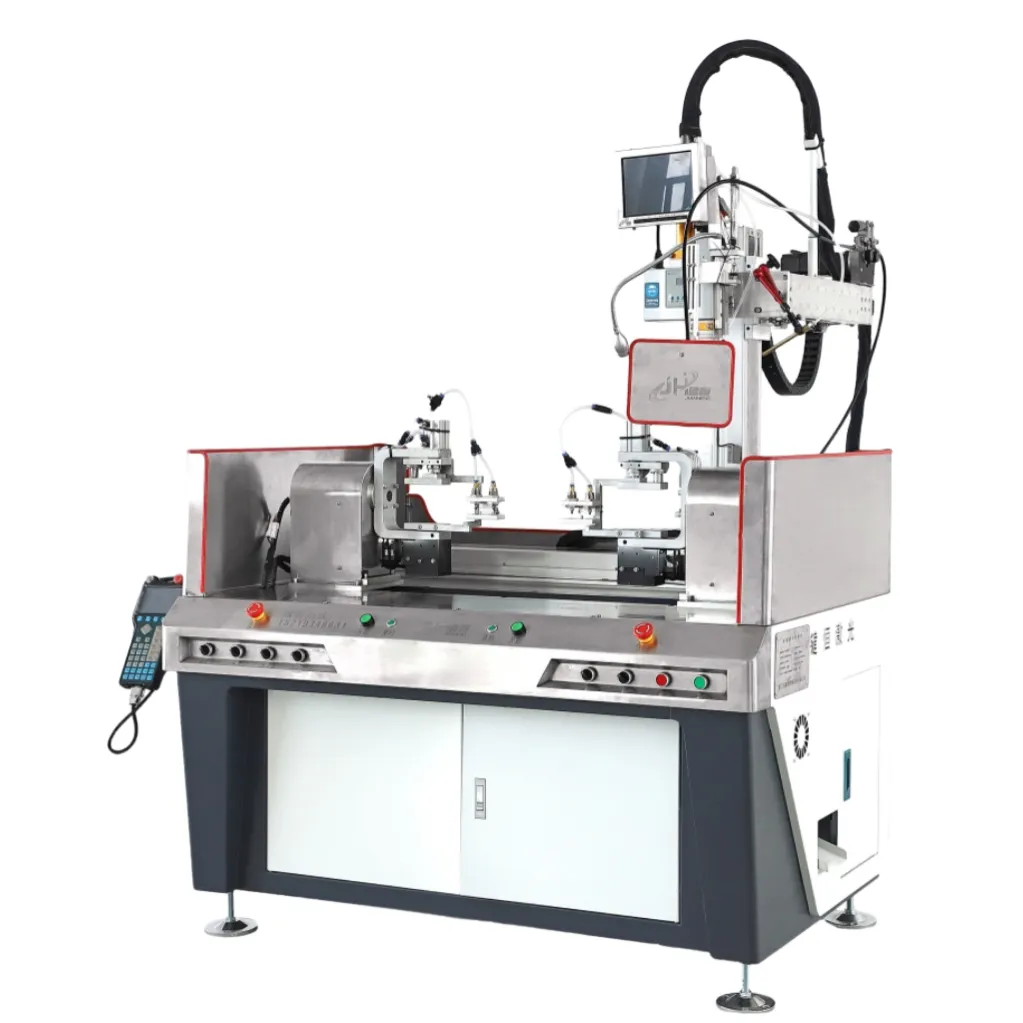
Definition and working principle of CNC laser cutting
The working principle of a laser cutting machine controlled by a computer numerical control (CNC) system is to focus a high-power laser beam onto the material to achieve precise cutting. When designers create parts using CAD software, these designs are translated into special codes called G-codes. G-codes precisely tell the machine where to move and what functions to perform during the cutting process. Inside the machine, a laser resonator generates a very strong beam of light. For fiber lasers, the beam is transmitted through optical fibers; while carbon dioxide lasers rely on a gas discharge process. The beam then passes through a lens and is focused onto a tiny point on the material to be cut. At this tiny point, the energy can reach over one megawatt per square centimeter, rapidly heating the material until it melts or even vaporizes along the predetermined cutting line. To ensure a smooth cutting process, different gases such as oxygen, nitrogen, or ordinary compressed air help to blow away molten debris around the cutting area, leaving a clean, burr-free edge. Guided by CNC technology, the cutting head can move with astonishing precision, with an error of approximately 0.1 millimeters, enabling machining workshops to consistently produce complex shapes.
Key technical terms: kerf, focal length, auxiliary gas, G code/M code, beam mode, nesting, cooling system
Key technology concepts include:
- Knife width : The width of material removed during the cutting process—determined by the beam focus, wavelength, and material properties.
- Focal length : The distance between the focusing lens and the workpiece surface; crucial for achieving optimal power density.
- Assist gas : pressurized gas used to remove molten material from the kerf; nitrogen prevents oxidation of stainless steel and aluminum, while oxygen increases the cutting speed of low-carbon steel.
- G-code/M-code : Standardized programming languages used to control toolpaths, speeds, power, and auxiliary functions.
- Beam mode : Spatial energy distribution mode—TEM mode provides the most concentrated focus and the highest intensity, which is crucial for fine feature cutting.
- Nesting : Maximize material utilization and minimize waste through software-driven layout optimization.
- Cooling system : A precision temperature control unit maintains the temperature of the laser source and optical components within ±0.5°C to ensure beam stability and long-term repeatability.
Types of CNC laser cutting machines: Comparison of fiber laser, carbon dioxide laser, and crystal laser
Fiber lasers, carbon dioxide lasers, and crystal lasers: wavelength, beam quality, and efficiency
Fiber lasers, operating in the 1060-1080 nm wavelength range, are renowned for their excellent beam quality and M² values below 1.1. They also boast impressive electrical efficiencies of around 50% and perform exceptionally well in cutting reflective materials such as aluminum and copper. Carbon dioxide lasers operate at even longer wavelengths, approximately 9400-10600 nm, making them well-suited for processing non-metallic materials like acrylic, wood, and leather. However, these systems are less efficient, at only 10% to 15%, and require more precise optical alignment. Crystal lasers, such as Nd:YAG or Nd:YVO4 lasers operating at 1064 nm, can handle a variety of materials but suffer from issues like thermal lensing and require regular maintenance, limiting their widespread use in manufacturing. The quality of the laser beam directly impacts the cleanliness of the cut edge and the width of the kerf. Fiber lasers typically produce kerfs of less than 0.1 mm on thinner metal sheets, meaning significantly less post-cutting work is required after the initial cut.
Laser power and performance trade-offs for different types of machines
When it comes to laser cutting, higher power definitely means faster results. For instance, a 6 kW fiber laser can cut through 3 mm stainless steel at around 25 meters per minute, which is almost three times quicker than a 4 kW CO2 system. But there's a catch - these powerful systems come with significantly higher upfront costs and ongoing maintenance expenses. Fiber lasers tend to be more reliable in the long run, maintaining their performance for about 100,000 hours straight. CO2 tubes aren't so lucky though, losing about 2-3% of their power each year and needing replacements every few years. Crystal lasers face another problem altogether. Once they hit around 3 kW power levels, they start developing thermal distortions that limit how much we can scale them up. So manufacturers have to weigh all these factors when choosing their equipment.
- Speed vs. Cost : Fiber systems deliver higher throughput on metals but carry a 15–20% higher initial investment than comparable CO2 machines
- Precision vs. Versatility: CO2 excels at engraving organic materials and cutting thicker non-metals (up to 25 mm acrylic); fiber dominates thin-to-medium metal thicknesses (up to 30 mm steel) with tighter tolerances
Material Compatibility and Thickness Capacity by Laser Type
Material compatibility remains the primary driver in laser selection:
| Laser Type | Metals | Non-Metals | Max Thickness |
|---|---|---|---|
| Fiber | Steel, stainless steel, aluminum, copper, brass | Limited (e.g., some coated plastics) | 30 mm (mild steel) |
| CO2 | Mild steel only (oxidation limits use on stainless/aluminum) | Acrylic, wood, MDF, leather, textiles | 25 mm (acrylic) |
| Crystal | Titanium, nickel alloys, ceramics | Plastics, composites, PCB substrates | 10 mm (titanium) |
Fiber lasers process 1 mm stainless steel at 25 m/min with nitrogen assist—outperforming CO2 by a wide margin in speed, edge quality, and energy use. CO2 retains advantages in high-detail engraving and thick-section non-metal fabrication.
The CNC Laser Cutting Process: From CAD Design to Finished Part
Step-by-step workflow: CAD modeling, CAM programming, material preparation, and machine setup
It all starts with creating a CAD model that defines exactly how the part should look and what dimensions it needs. Once these digital blueprints are ready, they get loaded into CAM software where technicians set up all sorts of cutting parameters. Things like laser power levels, how fast the head moves across the material, where the focal point sits, and what kind of assist gas gets used at what pressure depend heavily on what material we're working with and how thick it is. The CAM program takes all this info and spits out optimized G-code instructions while also figuring out the best way to nest parts together so we waste as little material as possible. Before anything gets cut, proper material prep is essential. We need to pick the right grade of stock for the job, check that it's nice and flat without any warping, make sure the surface is clean enough for cutting, then secure everything down properly either through vacuum suction or good old fashioned mechanical clamps. Last but not least comes the final machine setup phase. Technicians spend time making sure the focal length is spot on, double checking those gas flow rates, adjusting the distance between the nozzle and workpiece, and keeping an eye on whether the chiller maintains stable temperatures throughout the operation.
Cutting execution, cooling, inspection, and post-processing stages
When the cutting process starts, the laser either melts or turns material into vapor following the programmed G-code path, while at the same time, assist gas helps clear out the cut area known as the kerf. Most shops keep their coolant temps right around 20 to 25 degrees Celsius thanks to built-in chillers. This keeps the optical components stable and reduces those pesky heat affected areas, especially important when working with delicate metal alloys. Once the part is cut, quality control comes into play. Technicians check dimensions using optical scanners or those big CMM machines we all know and love. Standard specs usually stay within plus or minus 0.1 millimeter throughout regular production batches. What happens next? Well, most parts need some cleanup work after cutting. Common post processing steps include removing burrs, rounding sharp edges, and passivating stainless steel components to prevent corrosion. Some customers also want extra finishes applied depending on what they need functionally or just for looks sake. Polishing gives that nice shine while powder coating offers protection against wear and tear.
Key advantages: Precision, automation, no tool wear, minimal waste, and complex geometry capability
CNC laser cutting offers distinct operational advantages:
- Precision: Sub-0.1 mm repeatability and micron-level feature resolution, unaffected by mechanical wear
- Automation: Seamless integration with robotic loading/unloading and MES platforms supports lights-out manufacturing
- No tool wear: Eliminates consumable tooling costs and downtime associated with punch dies or milling bits
- Minimal waste: Advanced nesting algorithms reduce material scrap by 15–20% compared to manual layout
- Complex geometry: Enables internal contours, sharp corners, and micro-features impractical with conventional machining
Industry Applications and Technological Advancements in CNC Laser Cutting
Applications in manufacturing, aerospace, medical devices, electronics, and signage
CNC laser cutting is pretty much essential in all sorts of precision manufacturing these days. The automotive industry uses it extensively for things like chassis parts and HVAC systems because it delivers reliable results fast. For aerospace companies, this tech cuts through tough materials like titanium and Inconel with incredible accuracy. They need to meet those strict AS9100 standards and maintain tolerances down to about half a millimeter. Medical device makers count on laser cutting too. Think about surgical tools, tiny stents, and implants made from special alloys where even the The slightest imperfection could be dangerous. Electronics manufacturers take advantage of ultra fine lasers for delicate work on flexible circuits and creating microscopic holes in protective materials. Meanwhile architects and sign makers love what they can do with metals and acrylics. Laser cutting lets them craft detailed decorative panels, illuminated signs, and unique building facades that would be impossible with traditional methods.
AI, automation, and smart manufacturing integration in modern laser systems
Today's CNC laser machines come packed with smart features like AI optimization, constant monitoring, and self-adjusting controls that fit right into Industry 4.0 operations. The onboard AI looks at all sorts of sensor information such as how the laser beam is performing, records about gas pressure changes, and what the motors are doing electrically. Based on this data, the system can tweak cutting settings while the job is running and actually spot when parts might fail as much as three days before they do. This early warning system cuts down unexpected stoppages by around 30%. When it comes to moving materials around, robots take over with help from cameras that guide them precisely. This lets factories run jobs automatically from start to finish without human intervention. With internet connectivity built in, technicians can check system health remotely, push software updates, and access production stats stored in the cloud. All these advanced functions make manufacturing lines much more flexible. They can switch between different product batches on the fly while still meeting those strict quality standards like ISO 2768 requirements throughout every single produced piece.
FAQs
What is CNC laser cutting?
CNC (Computer Numerical Control) laser cutting is a process that uses a powerful laser beam controlled by a computer to precisely cut various materials according to a given design.
What types of CNC laser cutting machines are there?
The main types include fiber laser cutting machines, CO2 laser cutting machines, and crystal laser cutting machines, each with its own unique advantages in terms of wavelength, efficiency, and material compatibility.
What materials can be cut using a CNC laser cutting machine?
Depending on the type of laser, a wide range of materials can be used, from metals such as steel and aluminum to non-metals such as acrylic, wood, and ceramics.
Why is CNC laser cutting more commonly used in industrial applications?
CNC laser cutting is highly favored due to its advantages such as high precision, ability to handle complex geometries, high degree of automation, low waste generation, and no tool wear.

