
 EN
EN



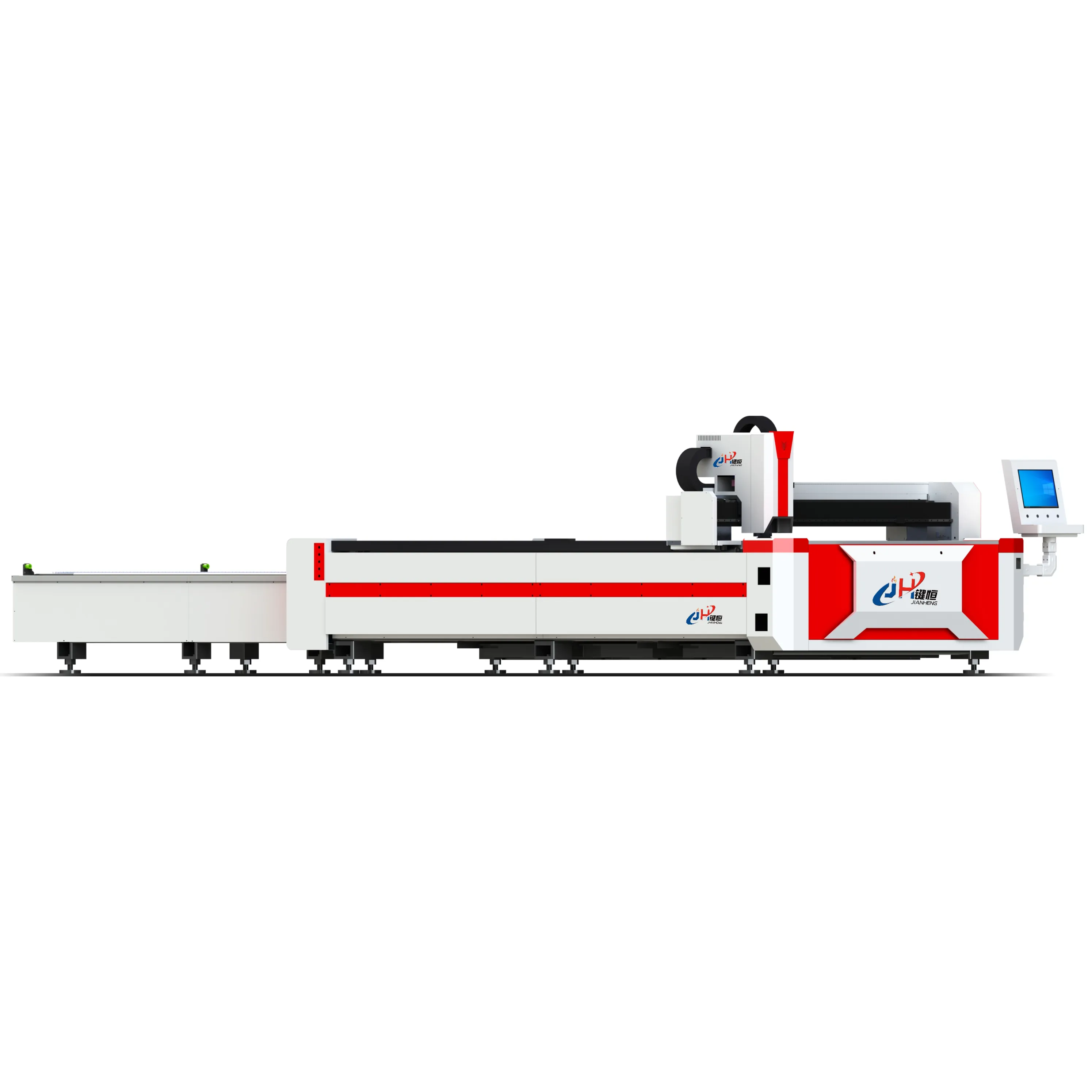
Precision and Edge Quality: Where CNC Laser Cutter Excels
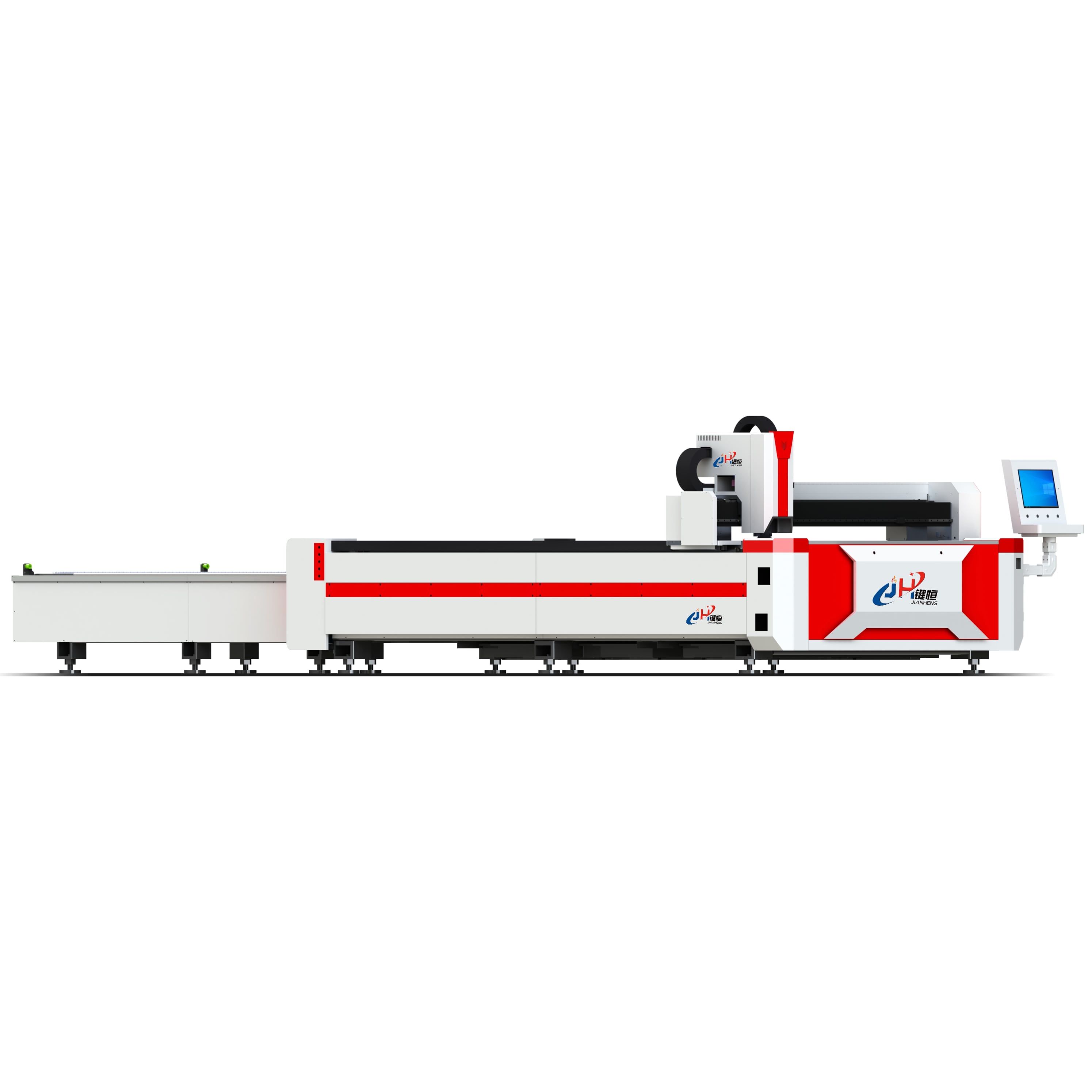
Tolerance, Kerf Width, and Fine-Feature Capability
When it comes to precision work, CNC laser cutting really stands out. The machines can hit tolerances around ±0.002 inches, which is actually about ten times better than what plasma cutting typically manages at ±0.02 inches. Another big plus is the incredibly narrow kerf width measuring between 0.004 and 0.006 inches. This means less wasted material overall and opens up possibilities for things like tiny perforations, crisp internal corners, and those intricate details that just don't work well with traditional thermal methods. For industries dealing with complex shapes, fiber lasers keep delivering that same level of accuracy needed for parts used in aerospace components or delicate medical equipment. Plus, since these lasers generate minimal heat during operation, they help maintain the dimensional integrity of materials. Manufacturers report seeing scrap reduction rates between 12% and 15% compared to plasma cutting, and sometimes even skip the whole secondary machining process altogether.
Surface Finish, Bevel Control, and Dross-Free Cuts on Thin-to-Medium Metals
Laser cutting produces edges that are ready for welding with minimal dross and creates surfaces so smooth they almost look like mirrors, even on metals as thick as 25 mm. Most of the time, there's no need for any additional finishing work after the cut. What makes laser cutting different from plasma cutting is that it doesn't create slag at all since the process doesn't actually touch the material being cut. The advanced optical systems allow for really precise control over bevel angles, making those consistent 45 degree edges perfect for welding prep. Another big plus is how much smaller the heat affected zone becomes compared to plasma cutting, usually around 30 to 40 percent reduction. This matters a lot when working with materials like stainless steel and aluminum because it maintains their structural properties. The resulting edges have a surface roughness below 1.6 micrometers, which is why we see laser cutting used so much in architectural projects where appearance matters and in automotive manufacturing where both looks and performance are important.
Material Range and Thickness Performance
Conductive Metals: Stainless Steel, Aluminum, Mild Steel, and Reflective Challenges
CNC laser cutters work well with most conductive metals such as 304 or 316 stainless steel, mild steel, and aluminum that's no thicker than 8 mm. They produce clean edges and consistent results time after time. However things get tricky when working with highly reflective materials like copper and brass because the laser beam tends to scatter around. This requires special gases to help along with extra protection for the optics. Plasma cutting systems can handle these reflective materials without problems, but they leave behind wider cuts and don't maintain the same level of detail on thinner sheets. When precision matters more than being able to cut every possible material, lasers still come out on top for most conductive alloys in real world manufacturing settings.
Thickness Limits: Fiber Laser (up to 25 mm) vs. High-Definition Plasma (up to 150 mm)
Fiber lasers generally hold around 0.1 mm positioning accuracy when operating within their sweet spot, though they start running into thermal issues past about 25 mm depth. High definition plasma cutting works really well on thick materials like 150 mm mild steel plates, but comes at a cost. The edges tend to be less square, surfaces aren't as smooth, and the heat affected zone gets larger compared to laser cutting. Looking at things practically, this creates two distinct camps in metalworking shops. Lasers are typically the go to choice for those delicate aerospace parts and medical devices where precision matters most. Meanwhile, plasma cutters keep getting used all over shipyards and construction sites whenever someone needs to slice through thick steel plates quickly without worrying too much about perfect edges.
Production Efficiency: Speed, Thermal Impact, and Workflow Integration
Cutting Speed vs. Thickness – Optimizing Throughput Without Compromising Integrity
When it comes to materials thinner than 25 mm, CNC lasers really shine over plasma cutting methods, hitting speeds around 200 inches per minute on those thin sheets, which makes them great for shops dealing with lots of different products but not huge volumes. Once we get past that 25 mm mark though, things change pretty dramatically for most operations. Plasma systems maintain better speed consistency here, even if they aren't as fast as lasers were before. What's interesting about laser cutting is how little material gets lost during the process. The almost zero kerf width means there's hardly any leftover scrap, and the minimal dross formation cuts down on all that extra work cleaning up after cutting. For parts below 30 mm thick, this translates into roughly 40 percent faster overall processing time when compared with traditional plasma setups, according to what many fabricators report in their day-to-day experience.
Heat-Affected Zone (HAZ), Distortion Risk, and Secondary Finishing Requirements
Fiber lasers today create heat affected zones about 70 percent smaller compared to traditional plasma cutting methods, and usually keep thermal distortion below half a millimeter. That makes all the difference when working on precision components where tolerances need to stay within plus or minus 0.005 inches. Plasma cutting tends to cause much more thermal stress though, so shops often end up spending extra time grinding away excess material or doing milling work just to get rid of dross and bring everything back into spec. This cleanup process can take anywhere from 15 to 30 minutes for each individual part. Real time monitoring systems built right into modern laser equipment help cut down on rework by catching temperature variations as they happen during the cutting process. Combine this with proper digital workflow setups and there's no need for separate finishing operations anymore. Laser cut pieces simply go straight from the machine to the next stage whether it's bending or welding.
Total Cost of Ownership and Strategic Selection Criteria
When looking at cutting technologies, it's important to consider total cost of ownership rather than just what something costs initially. This means factoring in things like how much energy is used during operation, replacement parts needed (think gases, lenses, nozzles), how often maintenance is required, unexpected downtime issues, any additional processing steps, and what happens when equipment reaches the end of its life cycle. CNC laser cutters might come with bigger price tags upfront, but they tend to save money over time for thin to medium materials because they consume less power and don't need as many consumables replaced. Plasma systems have lower initial costs, but these savings disappear quickly due to high ongoing expenses related to gas usage, electricity consumption, and regular maintenance needs. Plus there's the problem of lost productivity from all the unplanned stoppages, which according to Fabricators & Manufacturers Association International data costs around $740,000 each year across the industry. Choosing between options really comes down to three main things working together: what kind of materials are being processed, how much needs to be produced, and what level of quality matters most. Shops that prioritize accuracy, fast turnaround times, and clean edges when working with stainless steel or aluminum thinner than 25mm typically find better returns on investment using fiber lasers. On the other hand, manufacturers dealing regularly with thick plates over 25mm thickness still get more bang for their buck from plasma cutting despite paying more per part in the long run.
FAQs
What is the primary advantage of CNC laser cutting over plasma cutting?
The primary advantage of CNC laser cutting over plasma cutting is its ability to maintain tighter tolerances, offering precision down to ±0.002 inches compared to plasma's ±0.02 inches. This results in less wasted material and more intricate designs.
What materials can CNC laser cutters efficiently cut?
CNC laser cutters are efficient with conductive metals like stainless steel, aluminum, and mild steel up to 8 mm thick. They struggle with highly reflective materials like copper and brass.
How do laser cutters maintain efficiency for thinner materials?
Laser cutters maintain efficiency for thinner materials by hitting speeds around 200 inches per minute, minimizing material waste due to narrow kerf widths, and reducing the need for post-processing due to dross-free cuts.
Why might some shops prefer plasma cutting?
Some shops prefer plasma cutting due to its ability to handle very thick materials like 150 mm mild steel plates. Despite the lower edge quality, it is favored for high-volume jobs involving thick metals.

