
 EN
EN



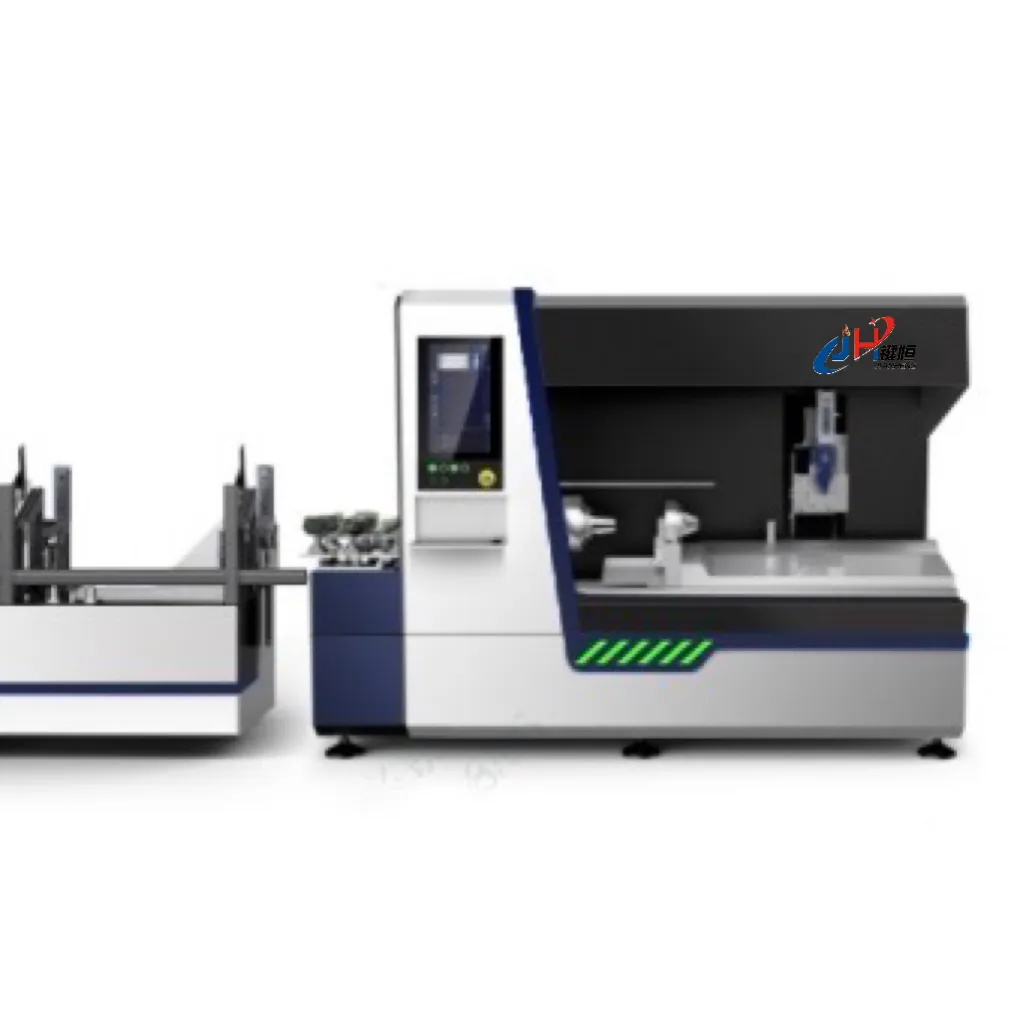
Why Fiber Laser Cutting Machines Deliver 50%+ Energy Savings
Photonic Conversion Efficiency: From Electrical Input to Laser Output
Fiber laser cutting machines achieve exceptional energy efficiency through superior photonic conversion. Unlike traditional CO₂ systems—which lose substantial energy as heat—fiber lasers convert 30–40% of electrical input directly into usable laser energy, tripling the efficiency of CO₂ alternatives (~10%). This leap stems from laser diodes exciting ytterbium-doped optical fibers, minimizing thermal losses and maximizing beam generation per watt drawn from the grid. For manufacturers, this means significantly lower power consumption per cutting hour without sacrificing beam quality or cutting speed. As confirmed by industry benchmarking studies—including those cited in the International Journal of Advanced Manufacturing Technology—this core efficiency differential underpins the widely documented 50%+ reduction in operational energy use.
Beam Quality and Focus Precision: How Less Power Achieves More Cut Performance
The diffraction-limited beam quality of fiber lasers (M² < 1.3) enables unprecedented focus precision, allowing lower-wattage systems to outperform higher-power alternatives. A tightly concentrated beam—spot sizes routinely under 20 µm—vaporizes material faster and with less thermal spread, reducing energy demand per linear foot cut. This eliminates the need for excess power to compensate for beam divergence, a persistent inefficiency in CO₂ and older solid-state lasers. As demonstrated in independent cutting trials across 1–25 mm mild steel, a 6 kW fiber laser matches or exceeds the throughput of a 10 kW CO₂ system while drawing substantially less current—validating how optical precision translates directly into energy savings.
Fiber Laser Cutting Machine vs CO2 Lasers: A True Energy-Use Comparison
Measured kWh/Part Data Across Sheet Metal Fabrication Workloads
Independent trials confirm fiber laser cutting machines consume 50–70% less kilowatt-hours per part than CO2 systems for identical metal cutting tasks. Where CO2 lasers operate at ≈10% photoelectric efficiency, fiber lasers convert 30%+ of electrical input into beam output. This gap manifests dramatically in production: processing 5 mm mild steel sheets at 6 kW, fiber lasers average 4.3 kWh/ton, versus 14.2 kWh/ton for CO2 equivalents—a difference rooted in both conversion efficiency and system-level design. Reduced power draw persists consistently across workloads—from thin-gauge automotive panels to 25 mm structural plates—as verified by data from the U.S. Department of Energy’s Industrial Technologies Program.
Cooling, Assist Gas, and System Overhead: Where Fiber Lasers Eliminate Hidden Loads
Fiber laser cutting machines avoid auxiliary energy drains inherent to CO2 systems:
- Gas consumption: CO2 lasers require continuous nitrogen or oxygen replenishment—costing up to $740k annually in high-volume operations (Ponemon Institute, 2023)—while fiber lasers cut effectively with ambient air or low-flow assist gases.
- Cooling: CO2 resonators demand 10-ton chillers drawing 25–40 kW; fiber lasers rely primarily on passive or low-capacity active cooling, slashing auxiliary power needs by over 70%.
- Optics maintenance: CO2 systems suffer alignment drift and mirror degradation, wasting 15–20% of delivered beam energy over time; fiber-optic beam delivery is solid-state and alignment-free, preserving consistent efficiency throughout service life.
These hidden loads elevate CO2 lasers’ true energy footprint by 30–40% beyond nominal cutting power—making total system efficiency the decisive metric, not just laser source rating.
Fiber Laser Cutting Machine vs Traditional Alternatives: Total Energy Cost of Ownership
Plasma, Waterjet, and Mechanical Cutting: Lifecycle Power Draw Analysis
Fiber laser cutting machines consistently outperform plasma, waterjet, and mechanical methods in lifecycle energy efficiency. Plasma systems require intensive electrical input to sustain high-temperature arcs—often exceeding 30 kW—plus additional power for compressed air generation and cooling. Waterjet technology consumes substantial electricity via high-pressure pumps (up to 60 HP motors) and water purification systems, especially when cutting dense or abrasive materials. Mechanical methods like stamping or sawing appear efficient initially but accumulate hidden energy costs through secondary finishing processes, tool replacement, and scrap rework.
In contrast, fiber lasers deliver precise, localized energy with minimal thermal waste—reducing base power requirements by up to 50% compared to plasma and over 60% versus waterjet. Their solid-state architecture eliminates gas consumption and slashes cooling demands by more than 70% relative to plasma systems. Over a typical 5-year operational lifespan, this compounds into measurable financial impact: where traditional methods allocate 40–60% of total cost of ownership (TCO) to energy and maintenance, fiber lasers reduce that share to under 25%, according to analyses published by the National Institute of Standards and Technology (NIST). The result is not just lower kWh/part—but a demonstrably leaner, more sustainable fabrication process.
FAQ
What makes fiber laser cutting machines more energy-efficient than CO₂ lasers?
Fiber lasers convert 30–40% of electrical input into usable laser energy, whereas CO₂ lasers only convert around 10%, leading to substantial energy savings.
How do fiber lasers reduce auxiliary energy use compared to CO₂ systems?
Fiber lasers use ambient air or low-flow gases instead of costly nitrogen or oxygen, require less cooling capacity, and have solid-state optics that don't degrade over time.

